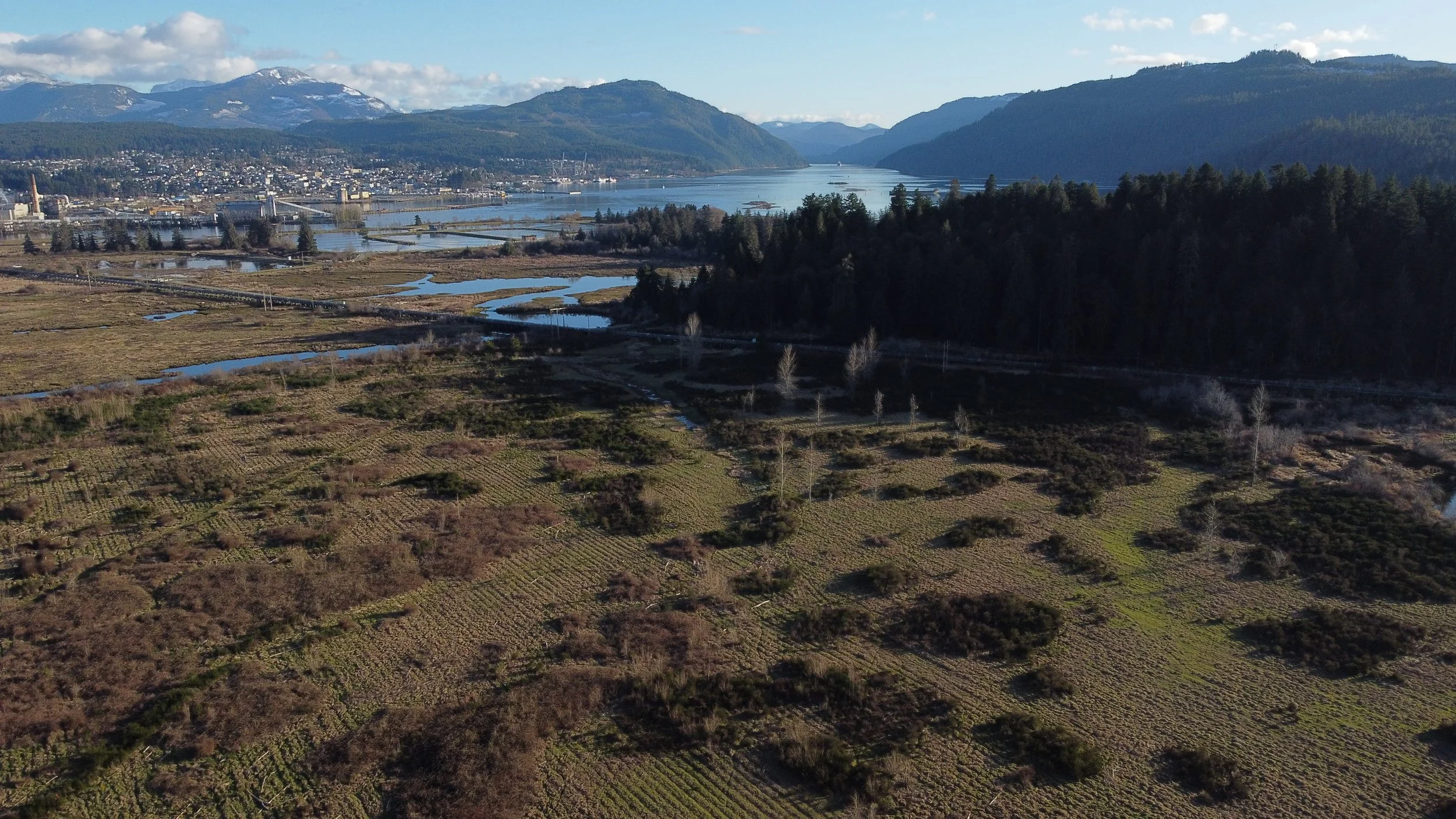
nʔaysnúlaʔxw snxaʔcnitkw Ashnola Watershed
Wildfire Restoration
The sməlqmix people have watched the rhythms of the nʔaysnúlaʔxw (Ashnola River) for thousands of years. When rising temperatures began raising red flags, the Lower Similkameen Indian Band (LSIB) started developing a plan to cool and shade the water. Then the fire came.
Our partners


Project Overview
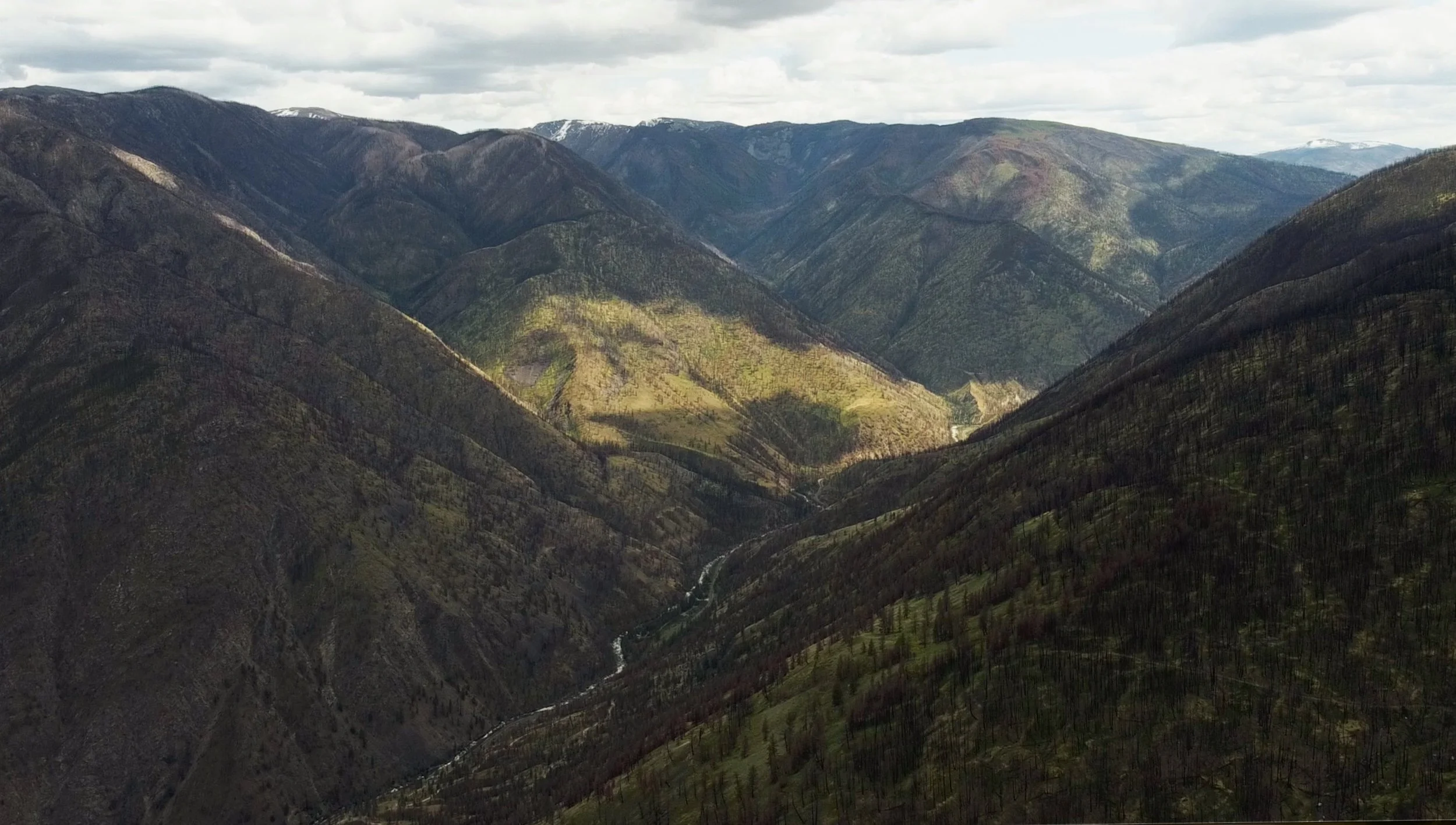
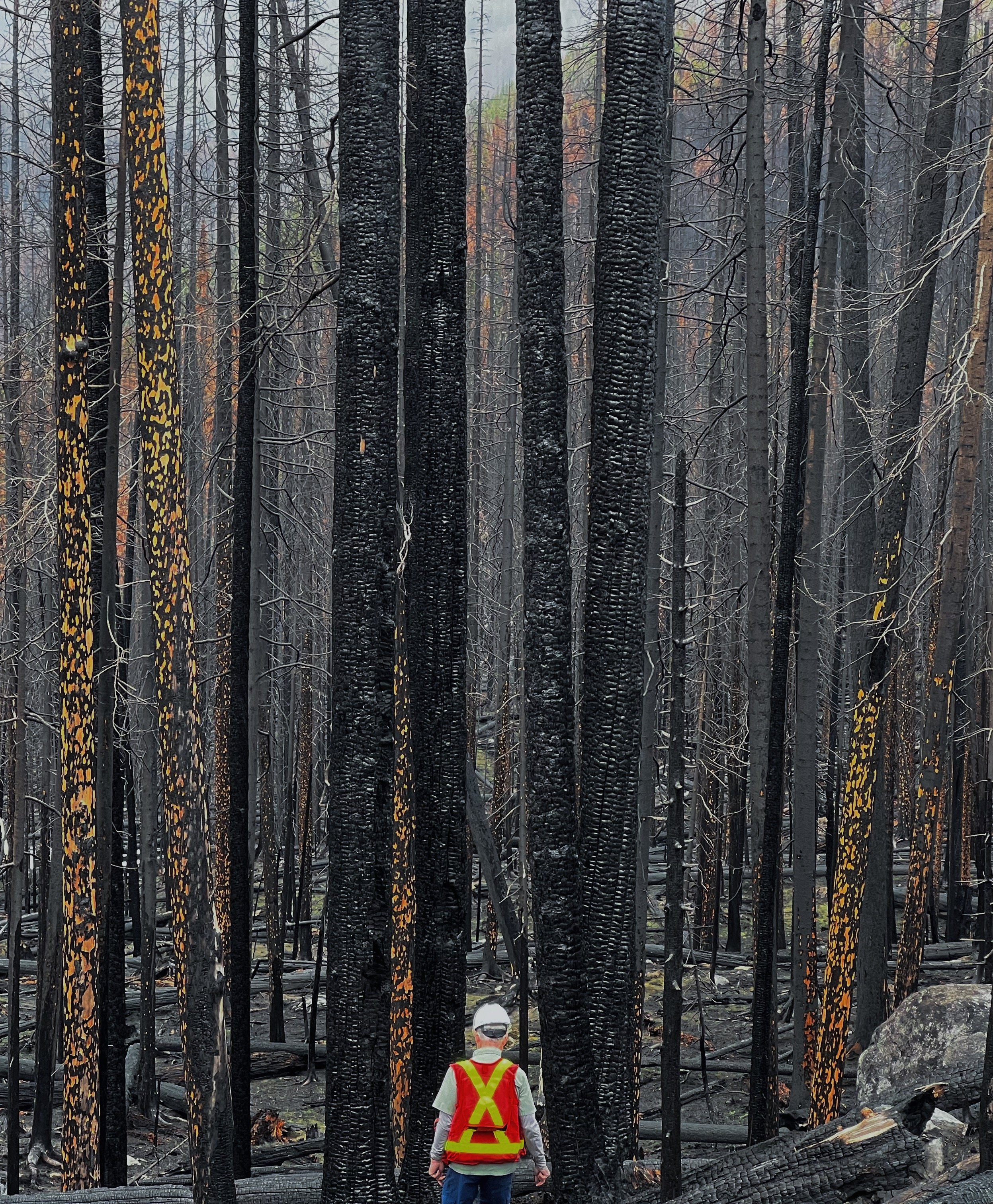
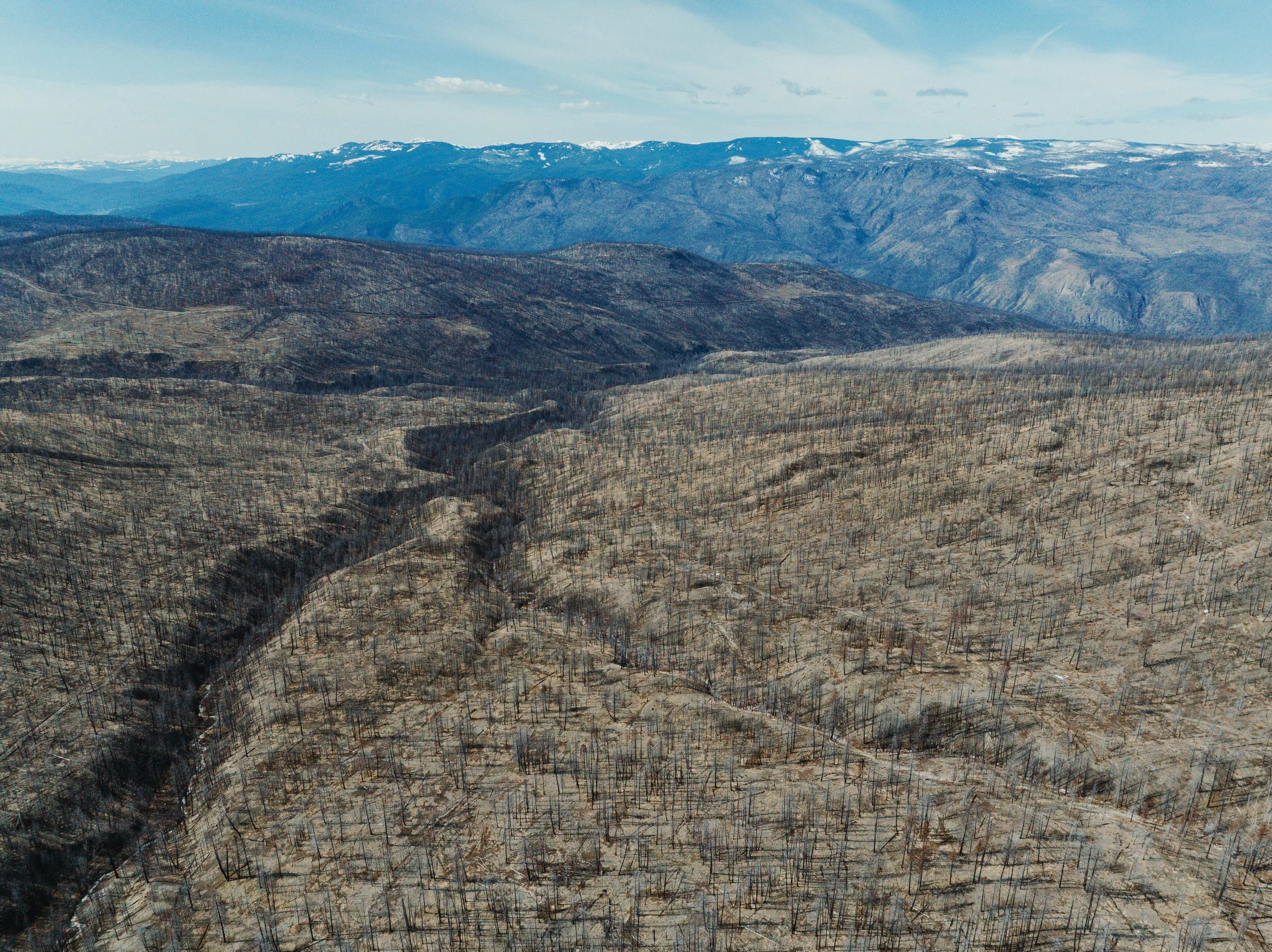
In August 2023, wildfire tore through more than 44,000 hectares of the Ashnola Watershed. Steep hillsides burned. Riparian zones were stripped bare. The river lay exposed to the sweltering summer sun of BC’s southern interior.
What began as a preventative water-shading initiative quickly became an urgent race to restore a living forest canopy.
Within two months of the fire, LSIB partnered with Cariboo Carbon Solutions to get trees back in the ground—focused on building a forest more resilient than the one before in areas where natural generation capacity is limited. Tree Canada provided funding, the Ministry of Forests authorized the work, and Elders offered their blessing before the planters laced up their boots.
Project Details

8 Species
Striving to shape a future landscape more resilient to fire, pests, and climate change.
1.2 Million Seedlings
Planting one tree every minute would take over two full years to complete.
900 hectares
An area 1.5x the size of downtown Vancouver.
90,000 tonnes of CO₂e
Within 30 years of planting, a conservative projected 90K tonnes of CO₂e will be sequestered.
—nʔaysnúlaʔxw iʔ k̓łluxwnwixwmntət Declarationiʔ kwu sməlqmíx kɬʕac̓xntm iʔ sc̓x̌wax̌wtət uł yʕat iʔ tmixw kɬqwilm
We the sməlqmíx are setting out a plan ~ the songs of all living things.
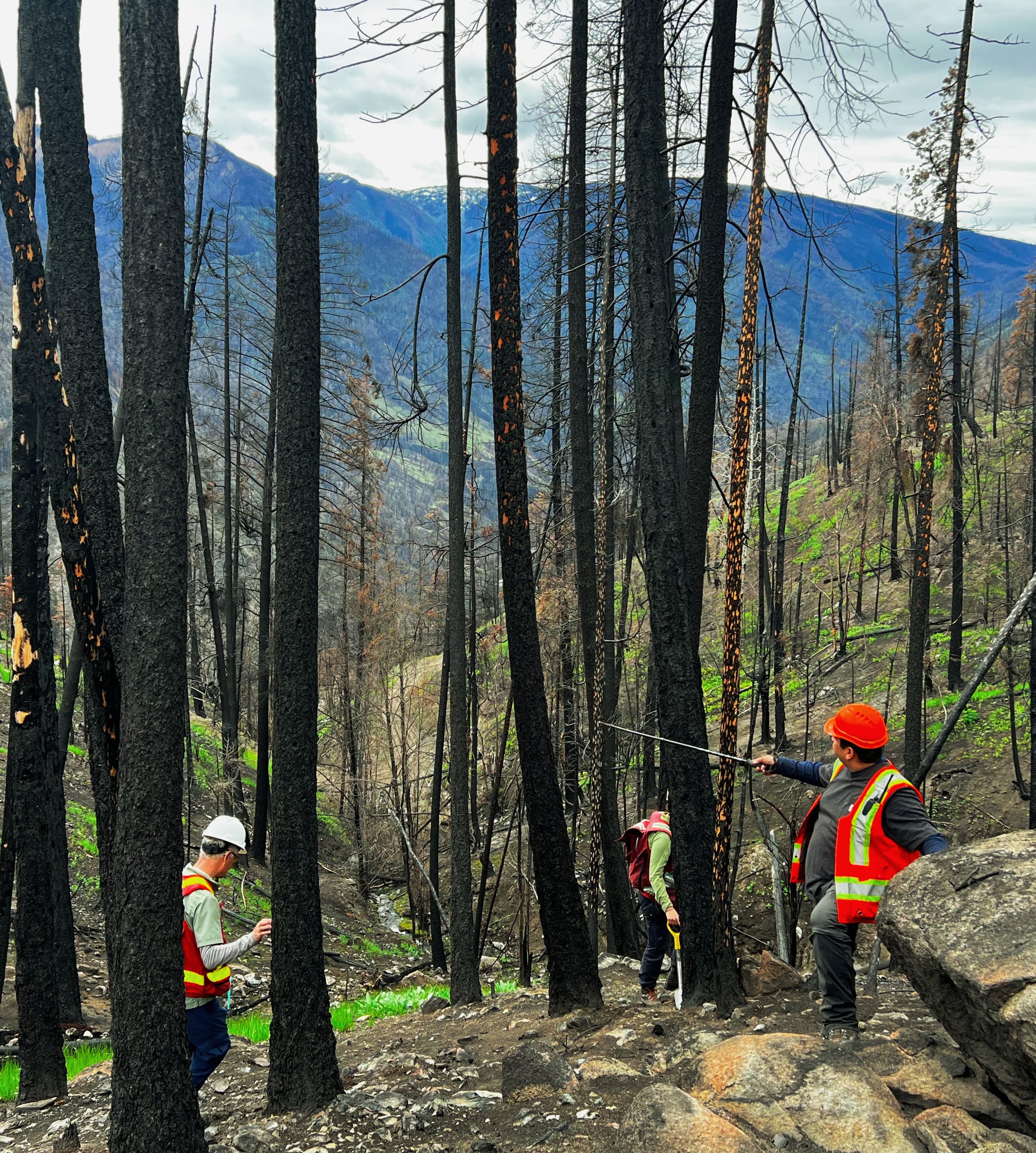
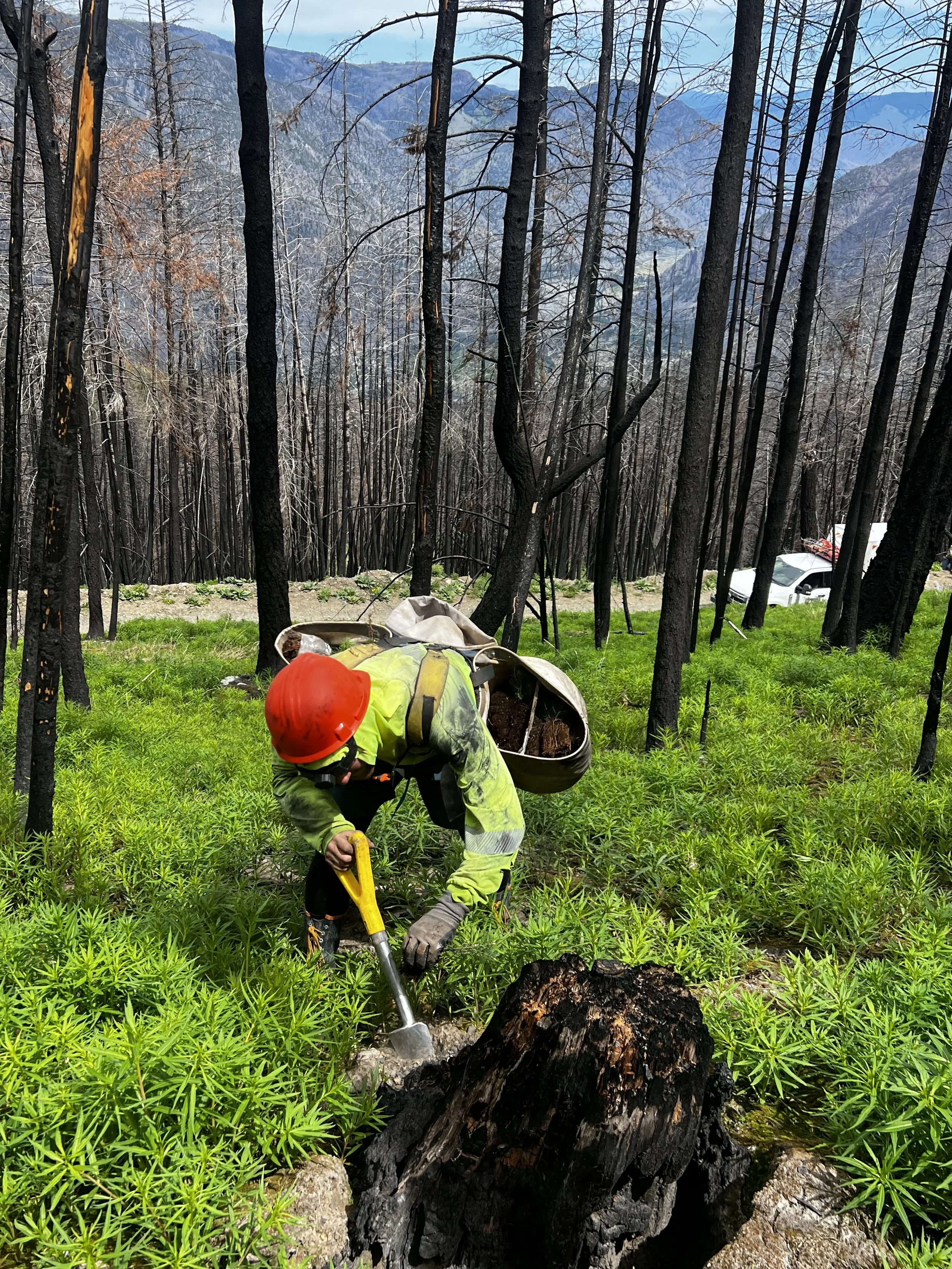
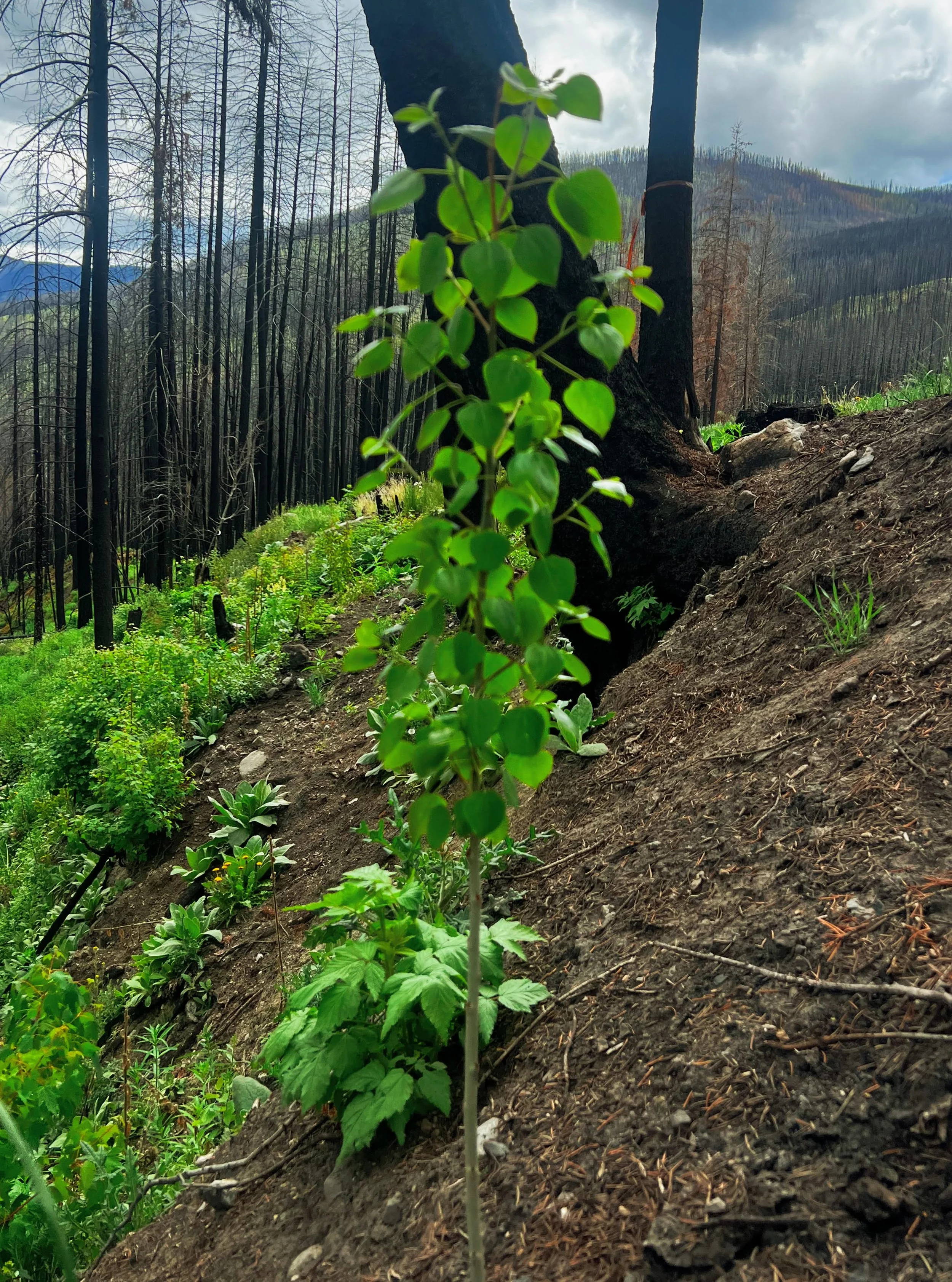
By October 2023, Aspen were planted in creek draws. Red huckleberry and endangered Whitebark pine followed.
The goal was clear and powerful: shade the water, cool the river, stabilize banks, restore grizzly bear habitat, and protect food and water sovereignty.
Working side by side with the Lower Similkameen Indian Band (LSIB), CCS has focused on upland mountainside restoration to support and strengthen broader recovery efforts across the watershed. Skul’qalt Forestry provides quality assurance oversight across all CCS planting operations.
By July 2025, CCS’s work resulted in more than 474,000 seedlings planted. Another 380,000 seedlings are planned for 2026. In areas planted in 2023, aspen now stand waist-high—early proof that the land is responding. In 2027, an additional 300,000 seedlings are scheduled to be planted in increasingly challenging terrain.
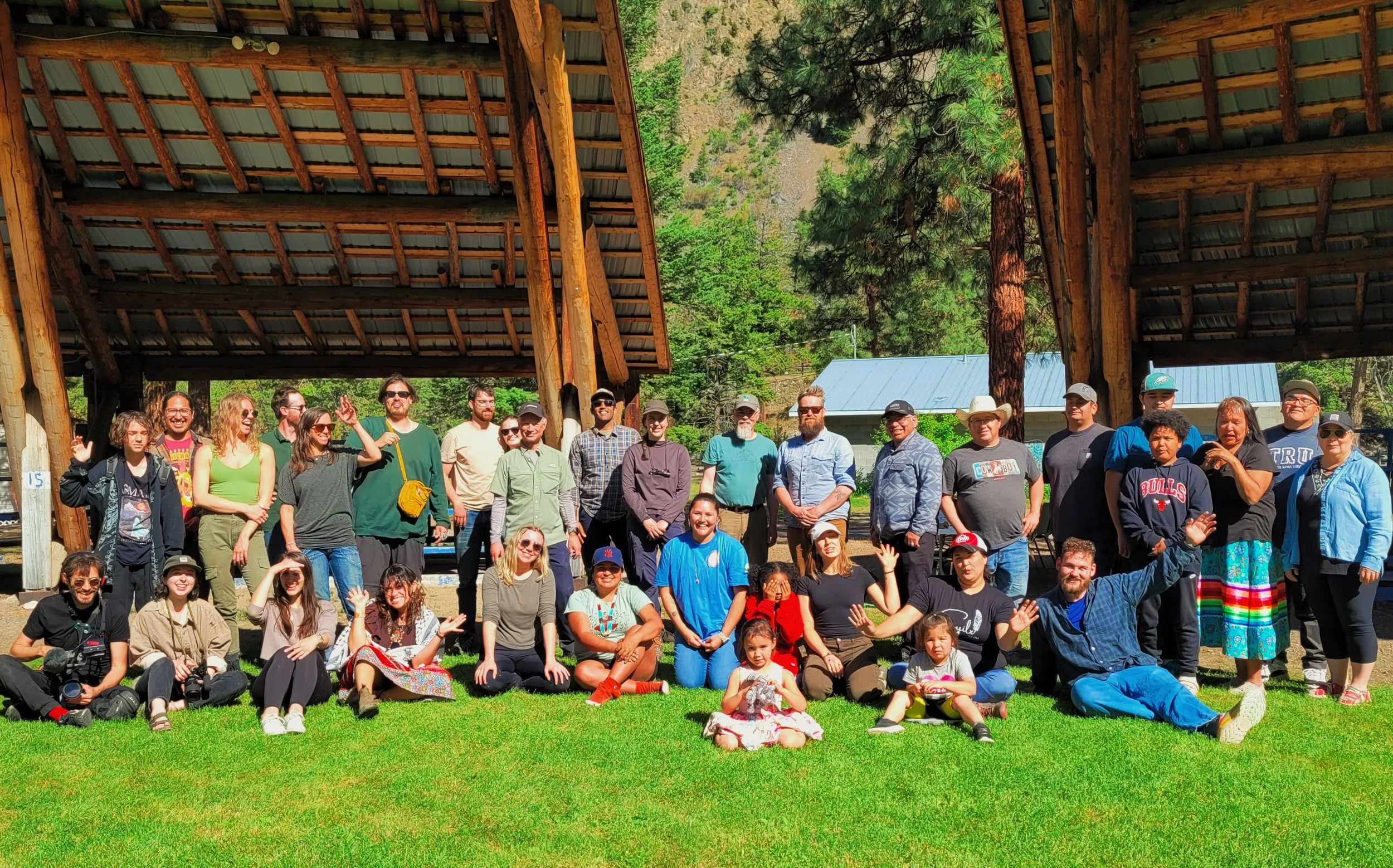
This work complements riverside riparian restoration and habitat enhancement led by Corvidae Environmental Consulting and Rooted Relations Consulting.This isn’t just reforestation. It’s watershed restoration—grounded in sməlqmix stewardship standards and guided by generations of land-based knowledge.
We are honoured to support the healing and strengthening of the living relationships between siwɬkw (water), təmxwúlaʔxw (land), and tmixw—the life force that moves through all four sacred ecosystems.
Featured Projects
Nicola Watershed Wildfire Restoration
In Progress