Nicola Watershed
Wildfire Restoration
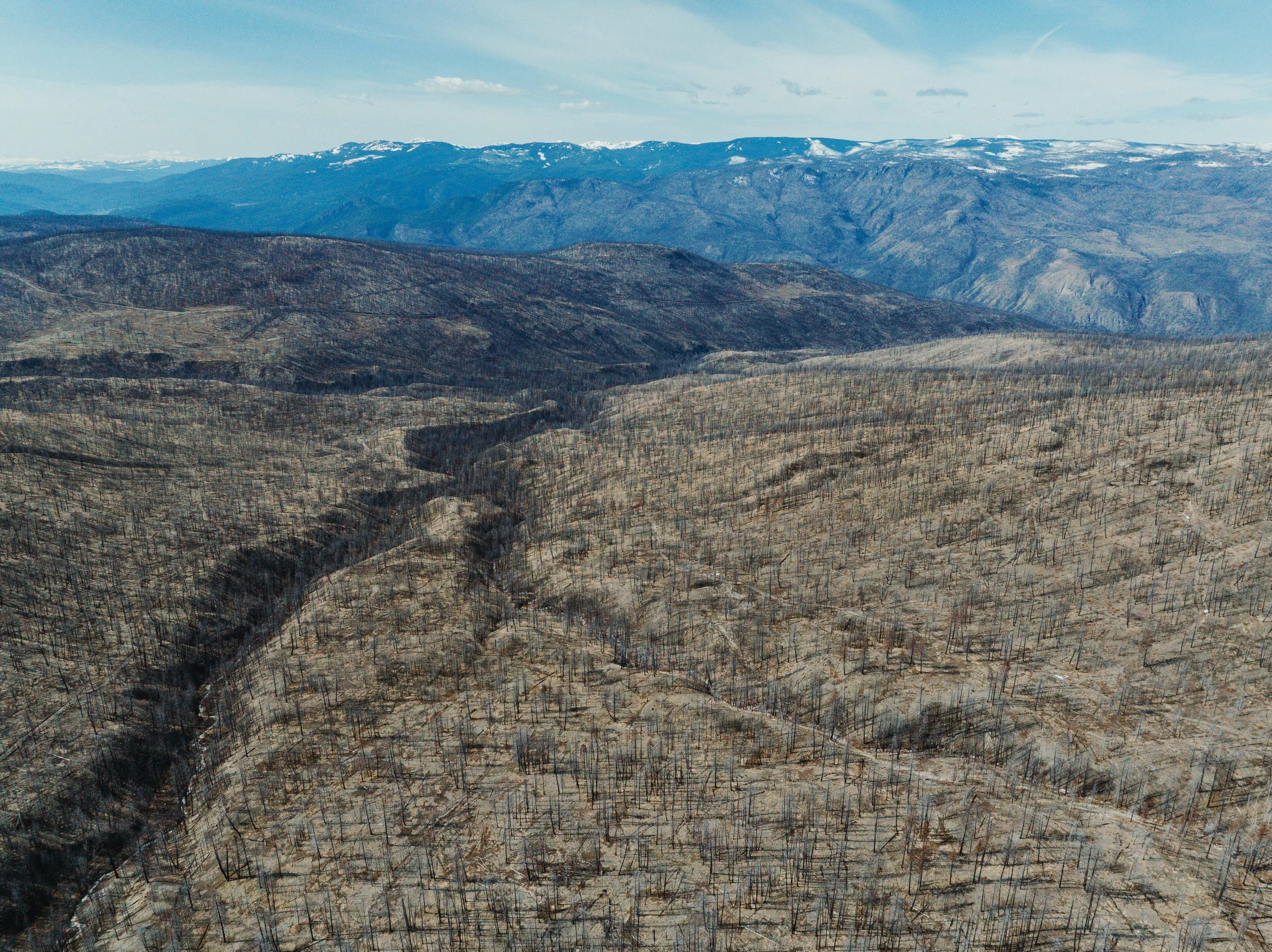
In 2021, British Columbia experienced some of its most severe natural disasters in recent history. Record-breaking heat contributed to the ignition of the Lytton Creek wildfire, which destroyed the town of Lytton within minutes.
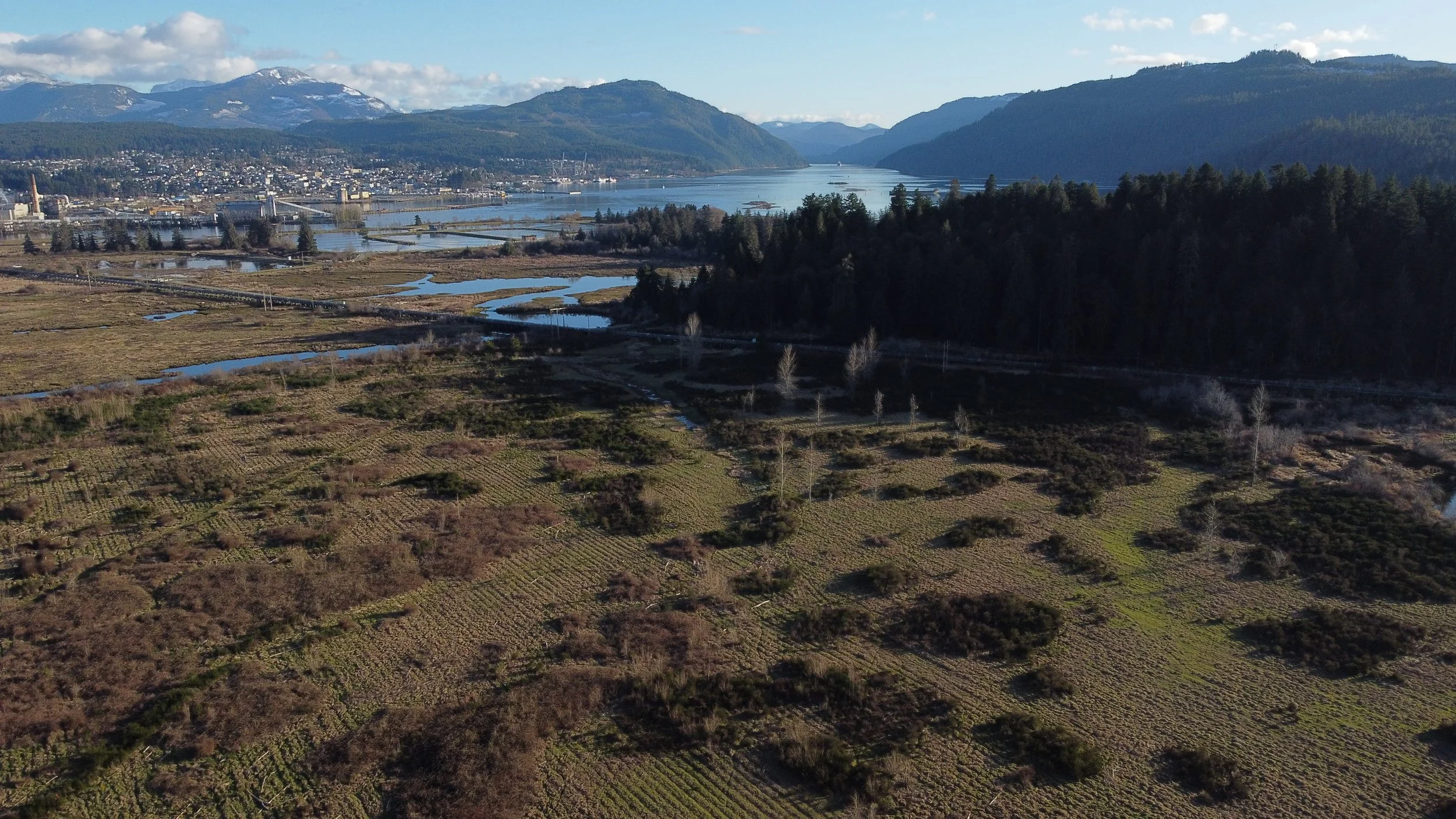
Photo credit: Tom Miller, Veritree
Our partners







Photo credit: Tom Miller, Veritree
The Nicola Watershed Restoration Project focuses on restoring wildfire-impacted forests, riparian habitat, and other priority ecosystems within the Thompson-Okanagan region, including areas affected by the 2021 Lytton Creek and July Mountain wildfires. This work takes place within the Traditional Territory of the Nlaka'pamux and Syilx Nations.
Wildfires greatly increase the risk of flooding, peak water flows, and debris movements due to the loss of vegetation that normally intercepts and absorbs rainfall.
Project Overview
Project Details

1.6 million planted
1.6 million trees were planted, as well as 20,000 native herbs and shrubs.
1500 hectares
About 4 times the size of Stanley Park in Vancouver, BC.
6 million trees
We’re projected to plant about 6 million trees between 2025-2028.
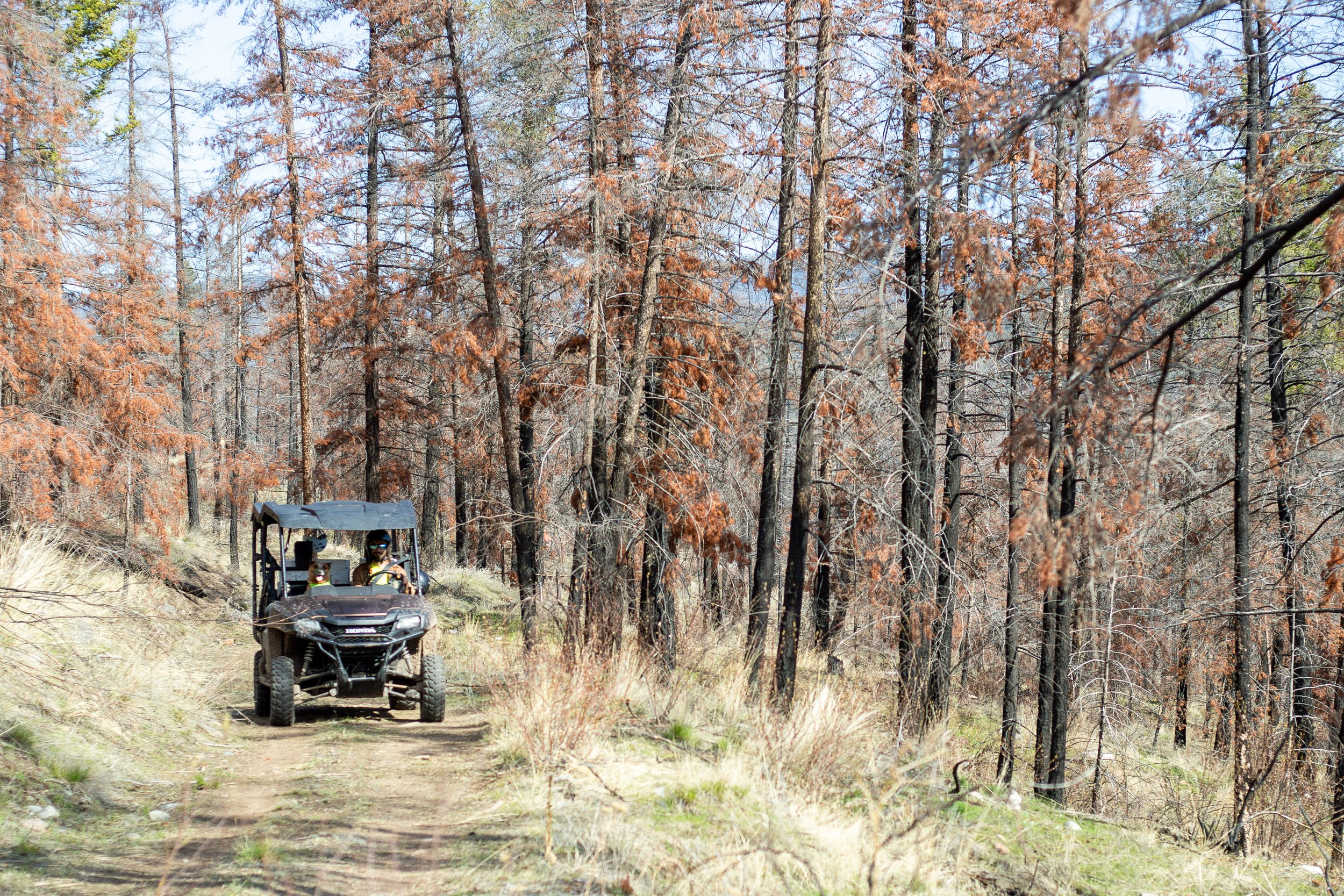
Photo credit: Tom Miller, Veritree
The wildfire season was followed by unprecedented atmospheric rivers that caused catastrophic flooding across the province. Extensive erosion occurred throughout the Nicola Watershed and its many sub-basins. Enormous volumes of sediment were transported through the Nicola River system, reshaping channels, destroying infrastructure and homes, and heavily impacting the Nlaka'pamux and Syilx communities.
Our forest stewardship work is guided by respect for Indigenous knowledge, values, and cultural practices. Restoration activities are designed to support community priorities and the continued use of traditional plant and animal resources, while contributing to the long-term health of forest and watershed ecosystems.
Project Goals
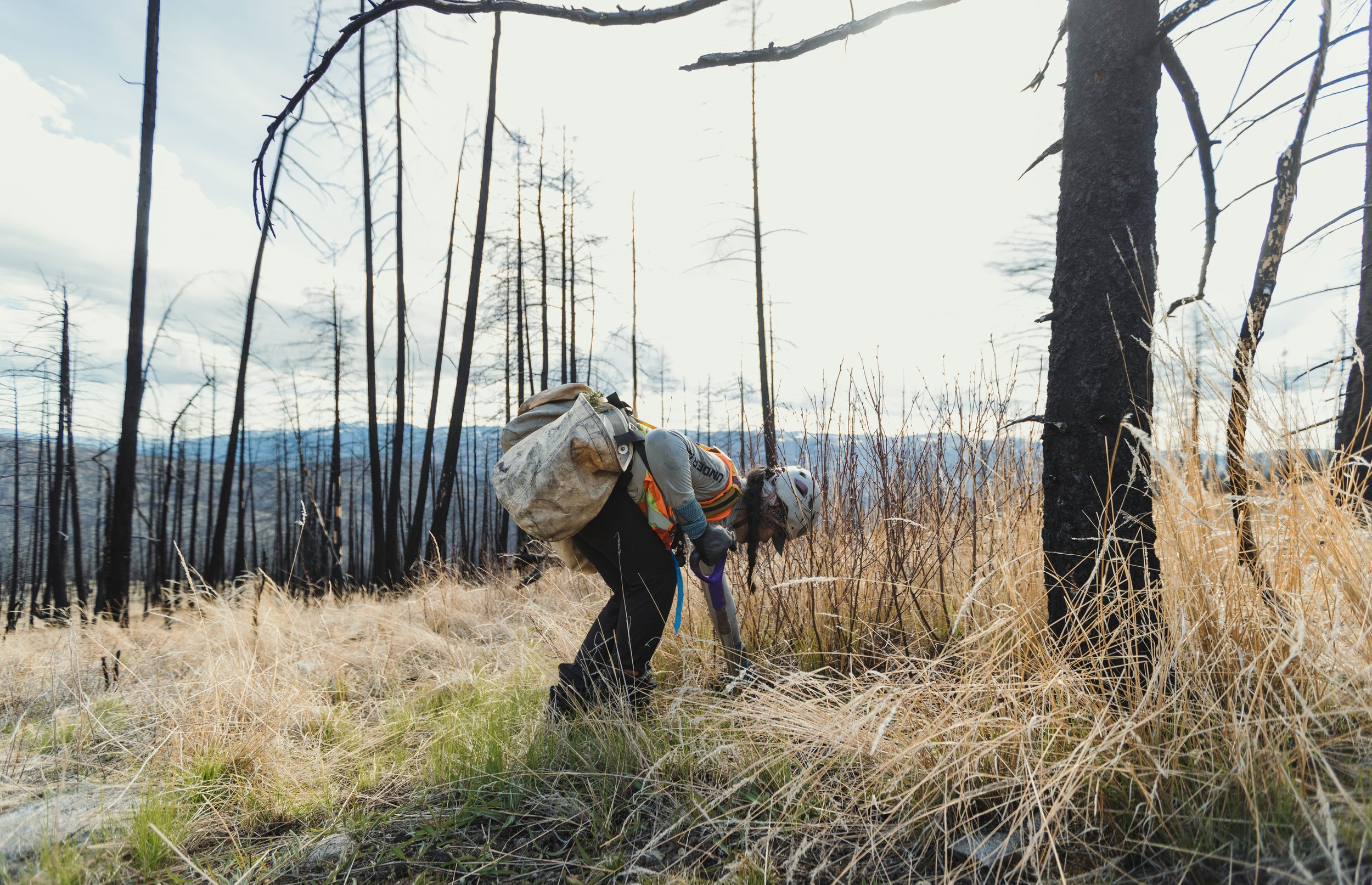
Photo credit: Tom Miller, Veritree
This project will reforest several thousand hectares of disturbed forests and riparian areas to support the return of fish and wildlife, promote biodiversity recovery, and contribute to the hydrological restoration of the Nicola Watershed. Strategies were developed using a blend of western and Indigenous knowledge.
Restoring upland forests will provide essential habitat and forage for wildlife such as California bighorn sheep, black bears, coyotes, bobcats, cougars, beavers, deer, elk, moose, mountain goats, and wolves. Re-establishing these forests will restore cover, increase habitat quality, and support natural ecosystem functions.
Riparian restoration along the Nicola River and its tributaries will help stabilize banks, reduce sedimentation, improve water temperatures, and rebuild fish habitat. These waterways support steelhead, bull trout, and multiple Pacific salmon species including chinook, coho, pink, and chum.
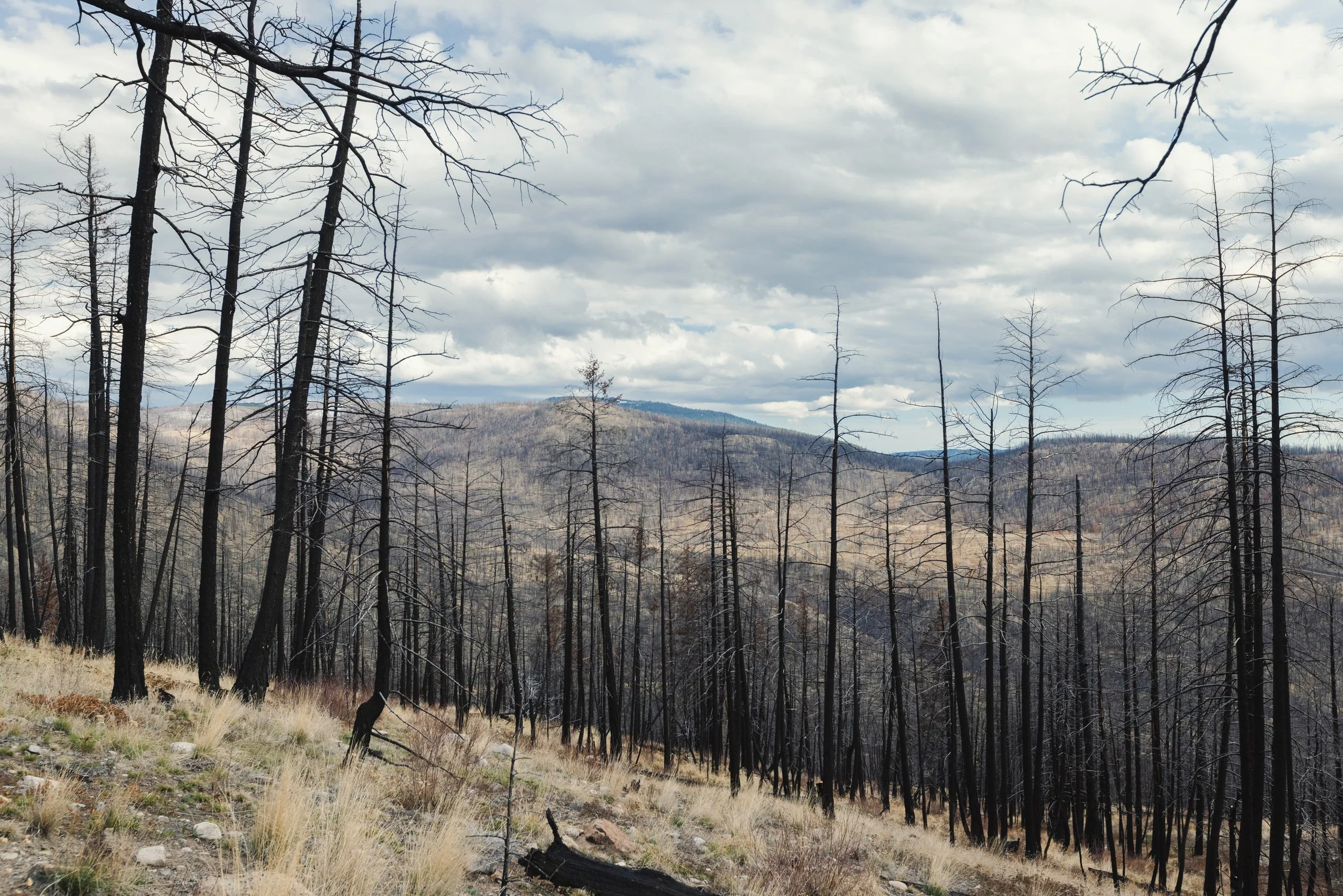
Photo credit: Tom Miller, Veritree
Restoring wildfire and flood-impacted areas also supports cultural values and traditional practices such as hunting and gathering. Plant and animal resources throughout the Nicola Watershed remain central to the culture and well-being of the Nlaka'pamux and Syilx Nations. Reforestation also contributes to community safety and food security by reducing future flood risk and restoring wildlife habitat.
This project focuses on reforesting and restoring sites severely disturbed by wildfire and flooding. Many areas experienced high-severity burns that killed all mature trees and consumed soil organic matter and seed banks. These sites now have little to no natural regeneration potential within any meaningful timeframe. Planting prescriptions use only native and ecologically appropriate species to restore habitat complexity, support fish and wildlife populations, and rebuild healthy forest ecosystems. Ensuring a diverse mix of species in the right sites will help create forests that are more resilient to climate change and better able to withstand future natural disturbances.
We seek to work collaboratively with First Nations, governments, and local communities to pursue shared objectives and ensure forest management strategies reflect shared stewardship responsibilities.
—wesley brookes, cariboo carbon solutions forest ecologistWe commit to engage and facilitate meaningful communication and collaboration in all our work.
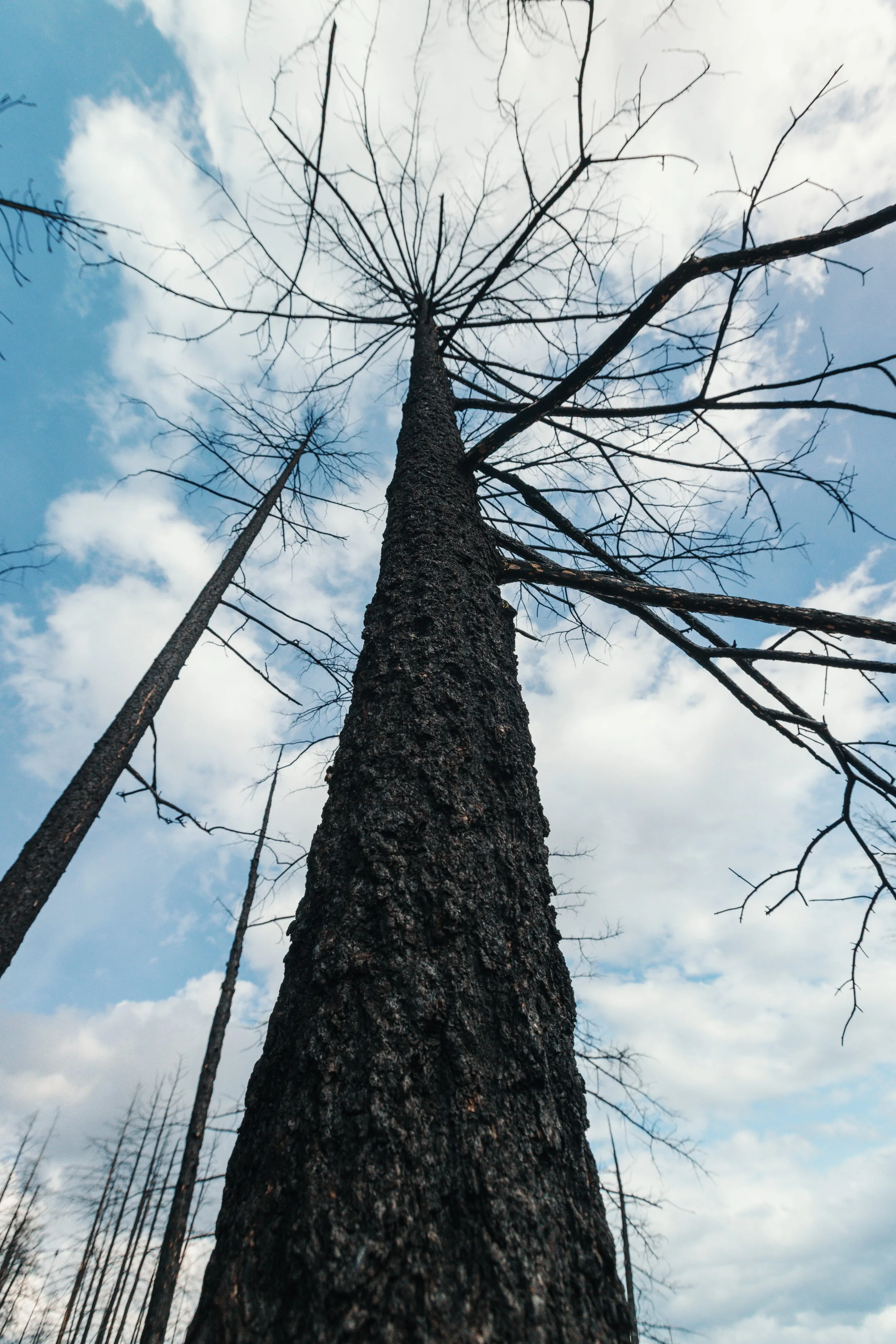
Photo credit: Tom Miller, Veritree
Featured Projects
nʔaysnúlaʔxw snxaʔcnitkw Ashnola Watershed Wildfire Restoration
In Progress