Vancouver Island
Silvicultural Restoration
In 2023, we launched this initiative on Vancouver Island to support private landowners, municipalities, and First Nations communities in restoring diverse, resilient forests on their lands. The program is also designed to test an important idea: that reforestation—combined with thoughtful, recurring management—can be an effective long-term solution for certain invasive plant infestations.
Our partners



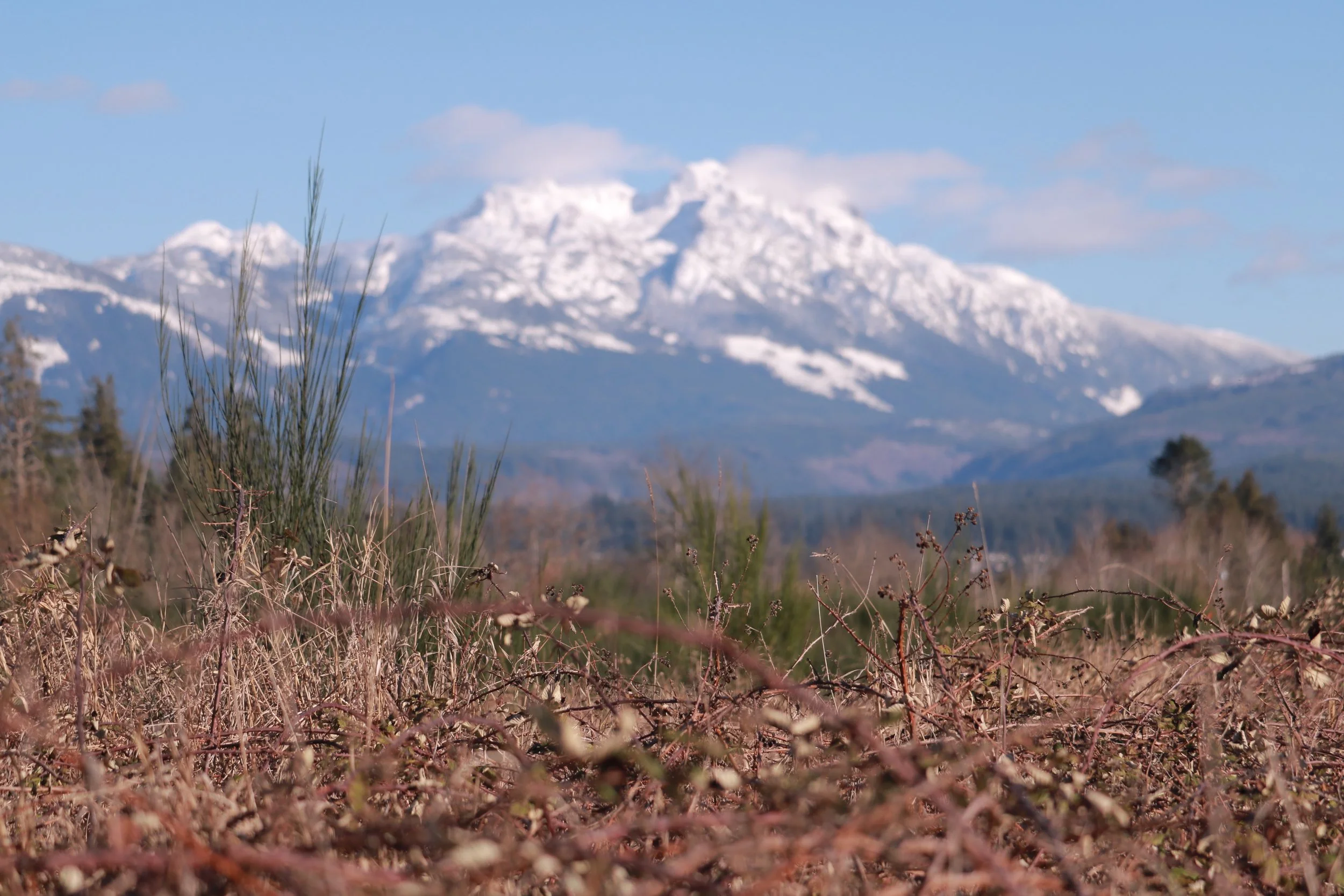
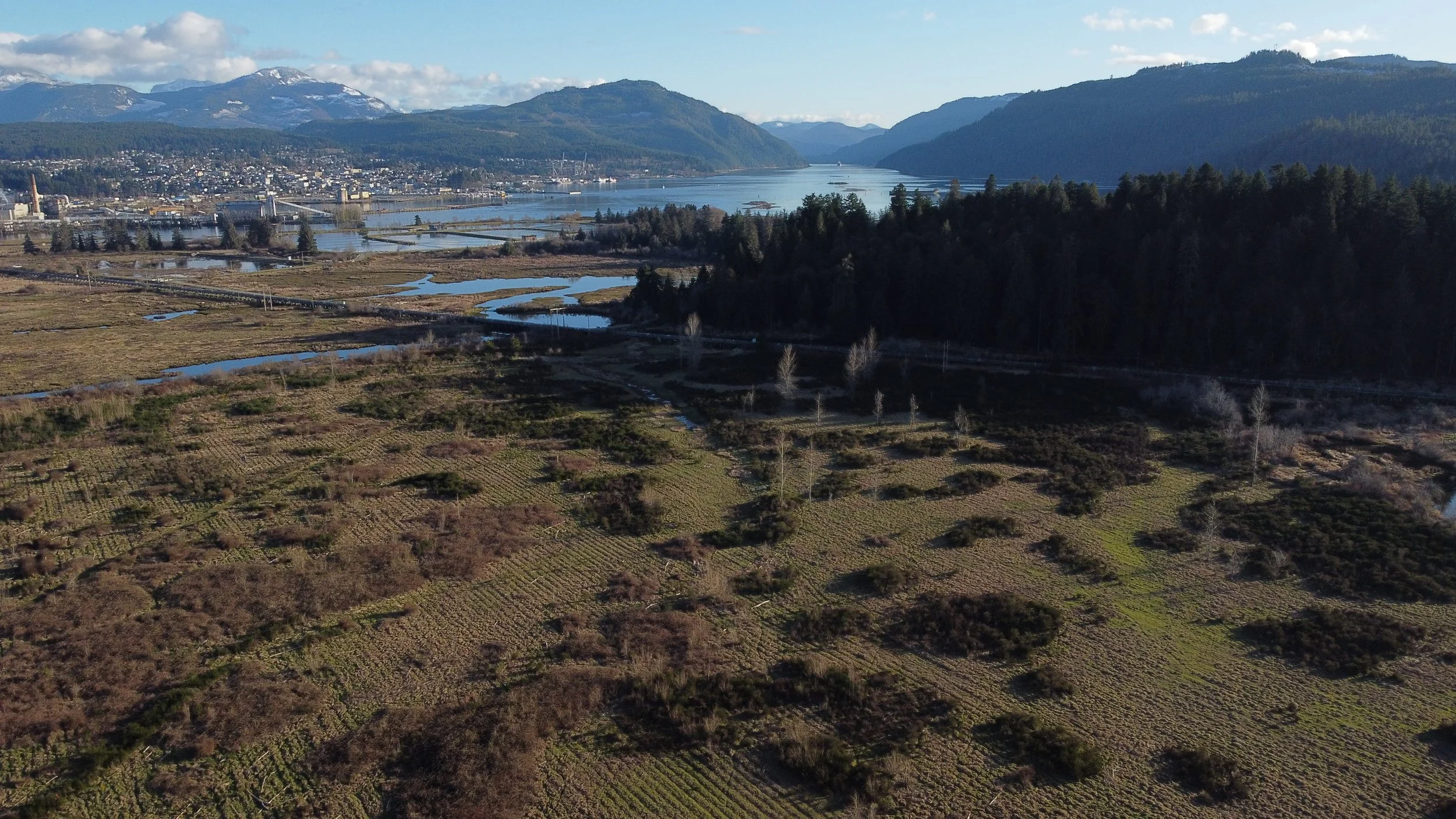
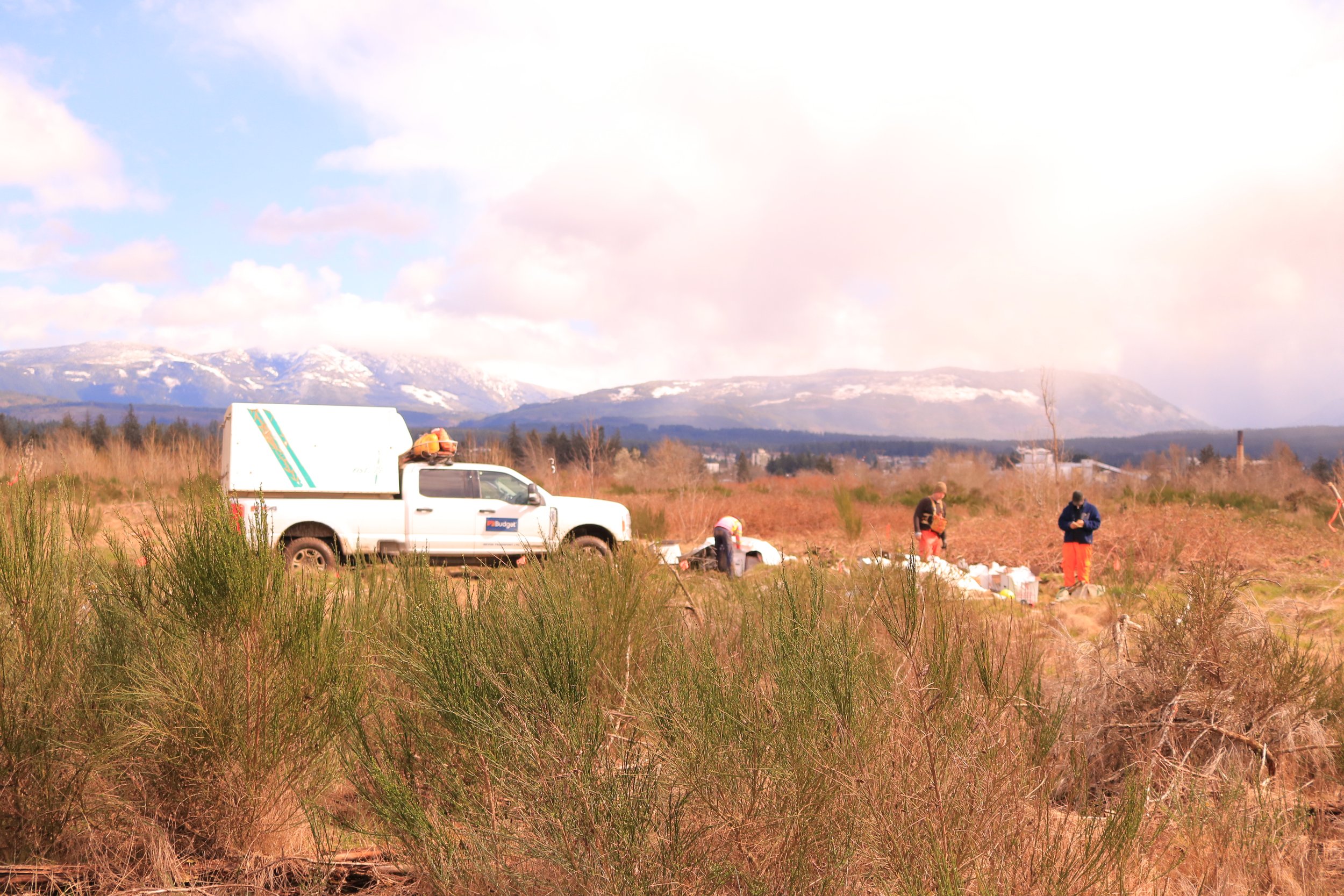
Across Vancouver Island, some disturbed landscapes have struggled to recover after logging, land clearing, or development. In these open conditions, invasive plants such as Scotch broom and Himalayan blackberry often spread rapidly, preventing native forests from re-establishing naturally.
The Vancouver Island Ecological Restoration Project was created to address this challenge by working to help landowners, municipalities, and First Nations communities restore healthy forest cover through an integrated approach that combines invasive plant management, strategic tree planting, and long-term stewardship.
We are currently seeking new properties and partners to include in our 2027 planting program. If you are interested in restoring forest cover on your land, please reach out.
Project Overview
Project Details

170,000 trees planted
Between 2023 - 2027, we’ll have planted 170K trees, from 14 native tree and shrub species.
15+ hectares
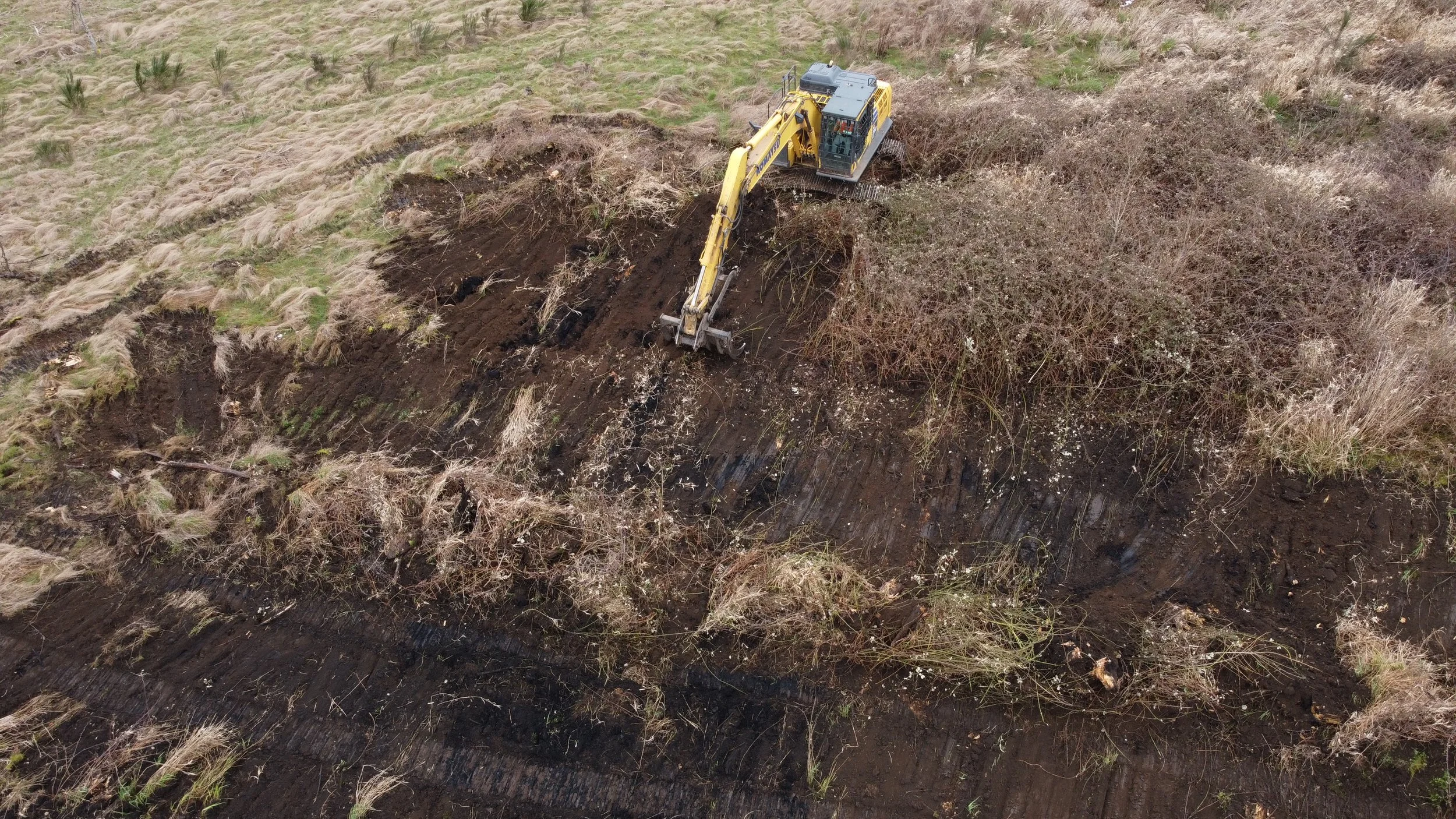
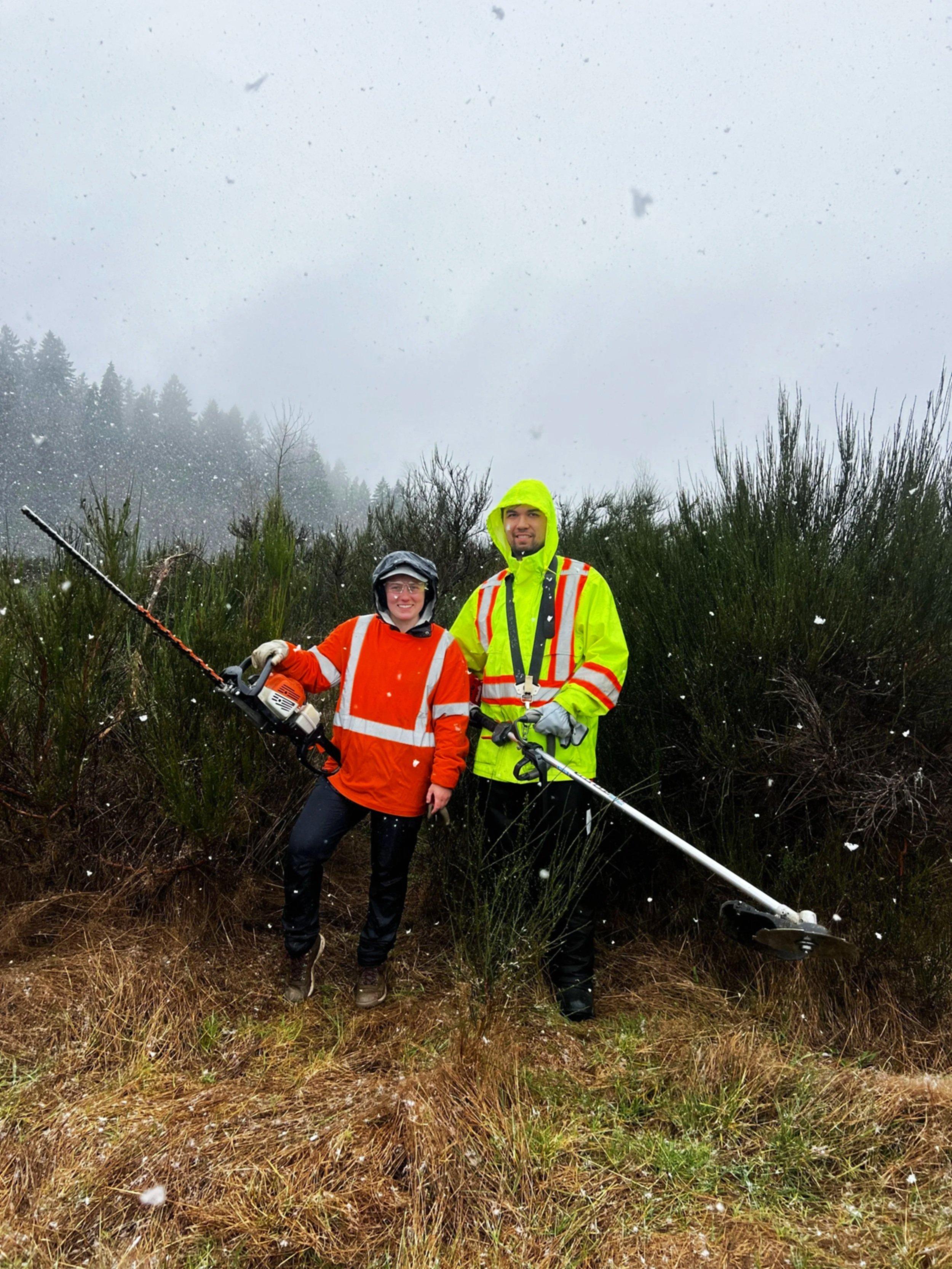
Over 15 hectares of invasive plants will be removed - using brush saws and excavators.
1,300+ species of flora and fauna
Based on ecological modelling from Resotr.eco, we can support over 1,300 species through ecological restoration.
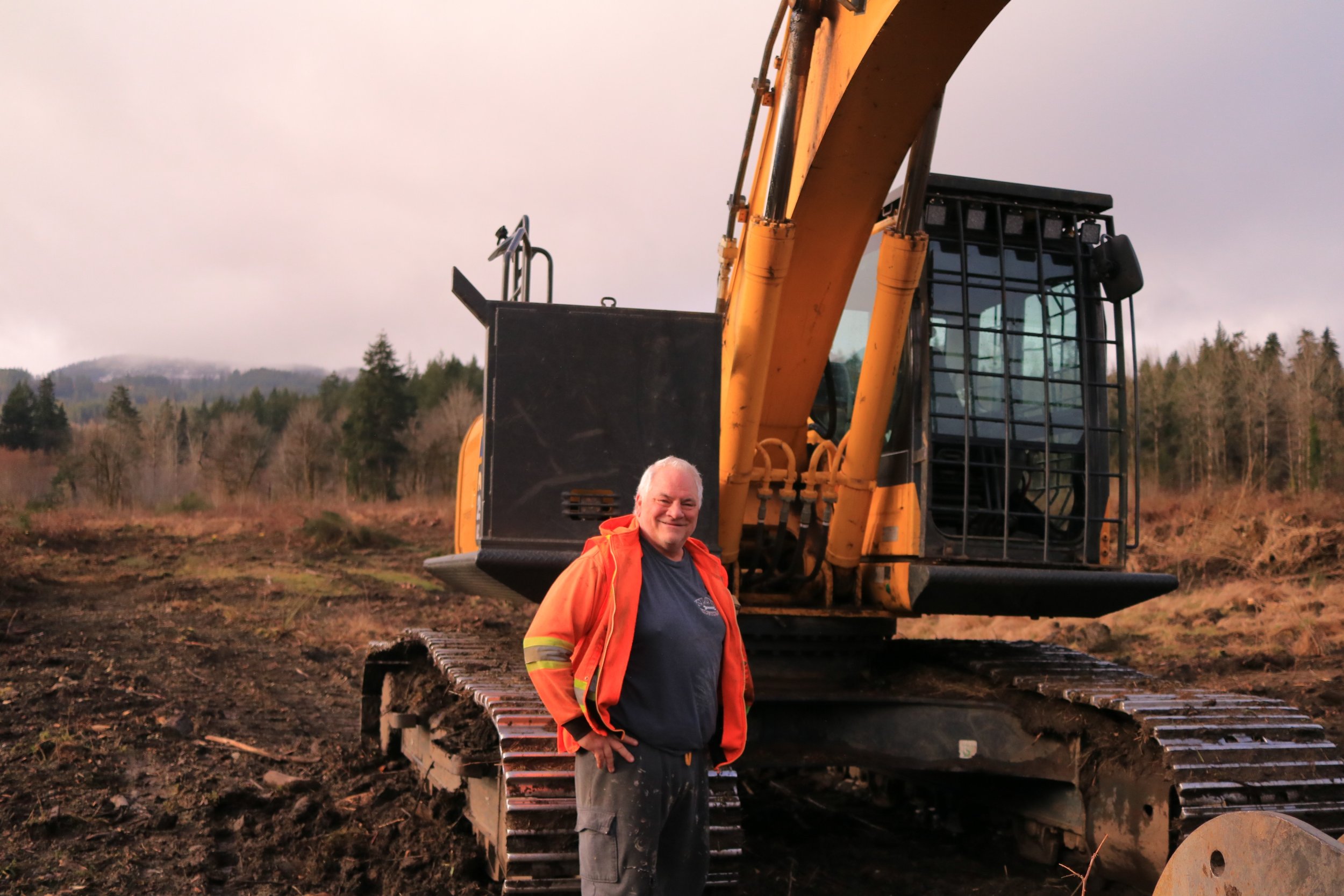
Beyond improving habitat for native plants and wildlife, this work delivers broader benefits. The project supports Indigenous enterprises, enhances the natural beauty of the land, and creates meaningful opportunities for education, training, and hands-on stewardship.
This work would not be possible without the generous support of Tree Canada, Reforest Australia, and the 2 Billion Trees Program. We are deeply grateful for their commitment to restoring healthy forests and landscapes.
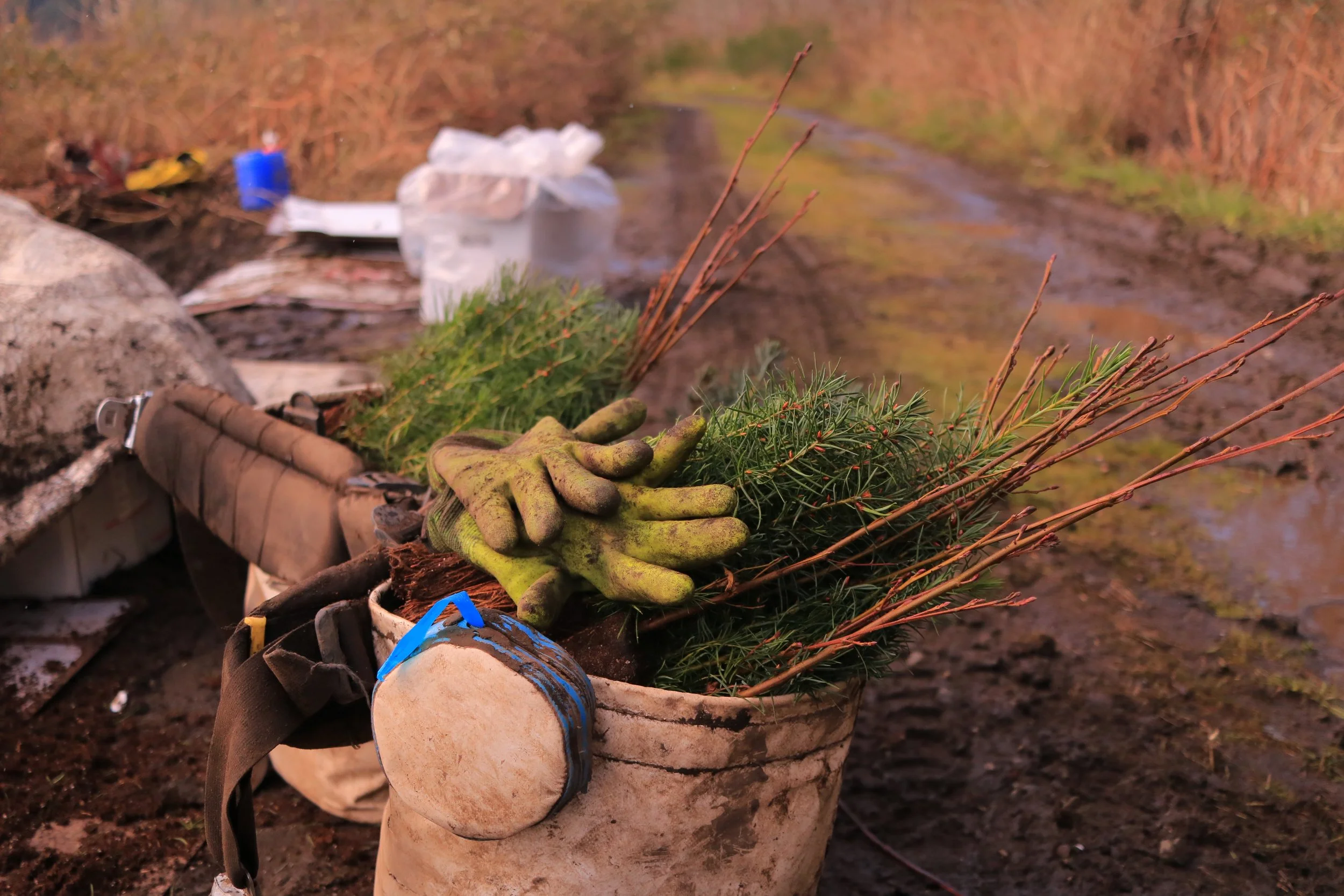
Rather than recreating conventional timber stands, the project mainly focuses on establishing diverse forests designed for proper ecological function. By planting a mixture of native species—including fast-growing deciduous trees alongside longer-lived conifers—the project aims to leverage and expedite natural forest dynamics as a means to manage invasive species. Pioneer species such as alder and maple may create shade and improve soil conditions from leaf litter, while slower-growing conifers establish beneath them and gradually form the long-term forest canopy. This approach aims to support the recovery of degraded sites, suppress light-loving invasive plants, and create structurally complex forests capable of supporting a wide range of wildlife and plant communities.
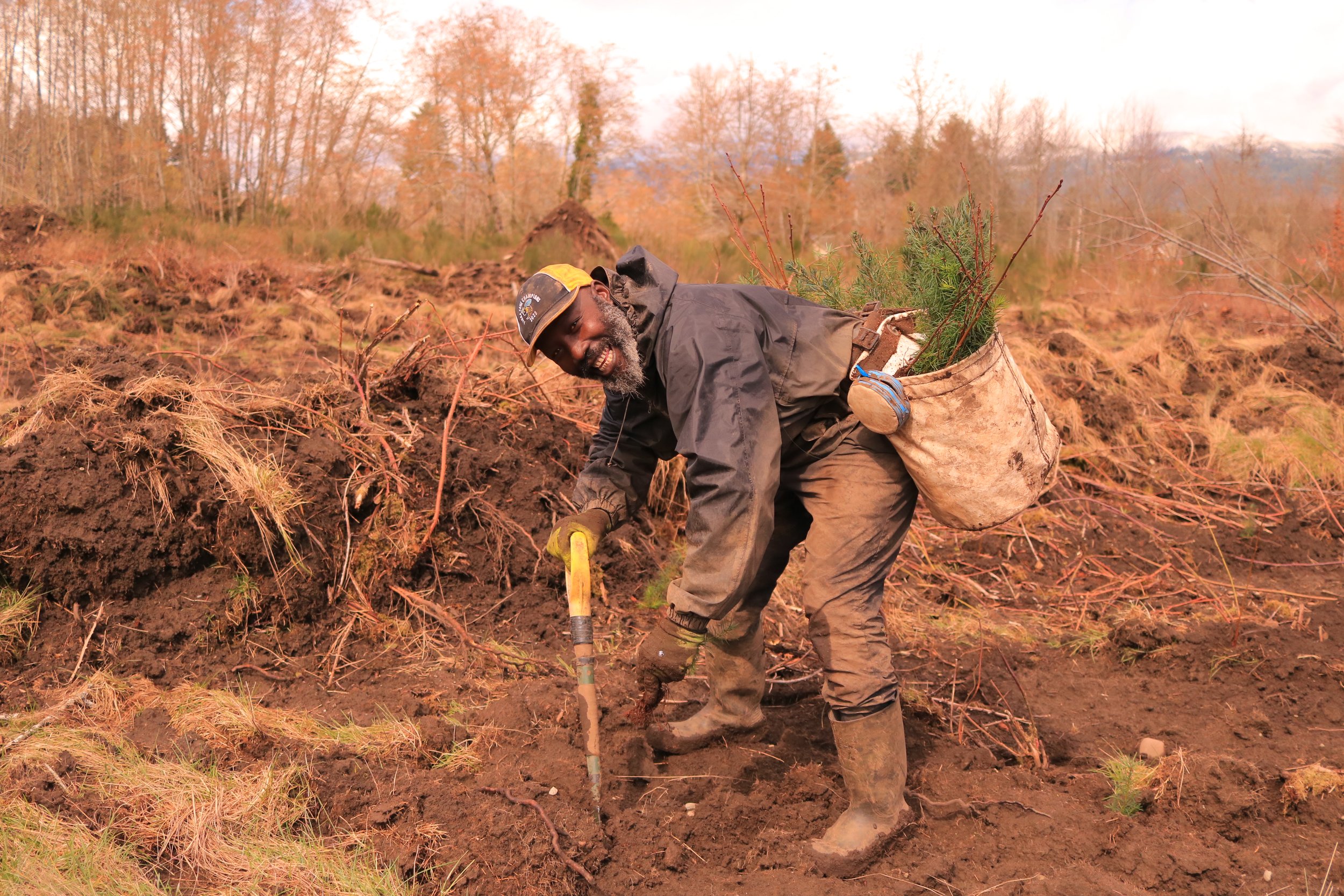
These restoration efforts aim to produce lasting ecological and community benefits. Beyond improving biodiversity and habitat function, the project supports Indigenous stewardship and employment, stabilizes soils and waterways, and increases the resilience of forests in a changing climate. By restoring native forest structure across a range of landscapes—from riparian corridors to previously cleared uplands—the initiative hopes to demonstrate how thoughtful reforestation can transform degraded land into thriving ecosystems that will continue to grow in ecological value for generations.
Help Fund this Project
Featured Projects
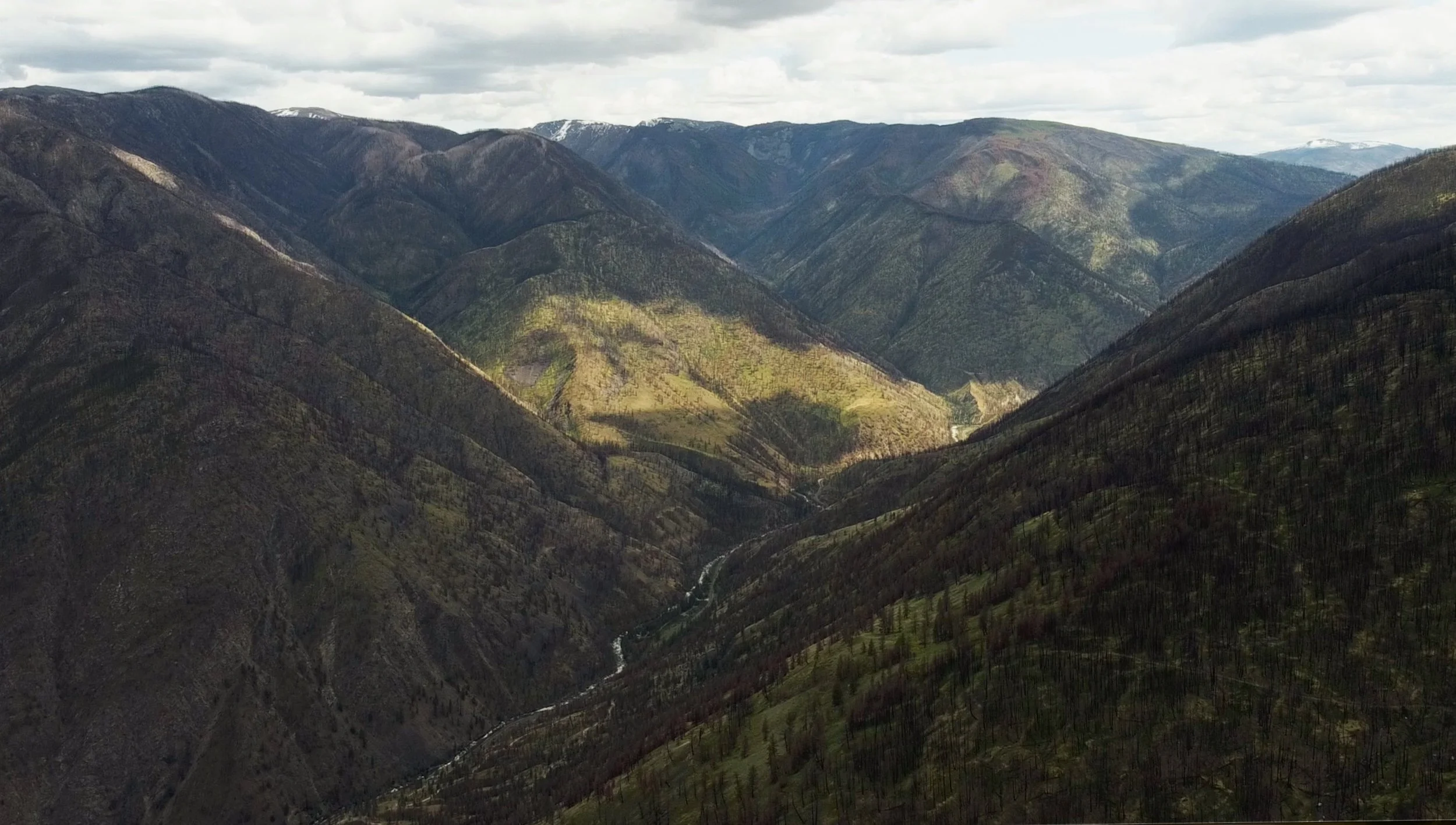
nʔaysnúlaʔxw snxaʔcnitkw Ashnola Watershed Wildfire Restoration
In Progress