Wildfire & Landscape Restoration Funding
Williams lake, bcCanadaMay 2020[SERVICE OVERVIEW]We leverage and align public, private, and NGO funding, combining these resources with First Nations leadership and science-based restoration to develop projects that help repair disturbed landscapes and forests by wildfire, and strengthen the future restoration and carbon economy.
We are powered by our 2BT Contribution Agreement (2023 to 2031).
Our Experience
Years of Creative Project Funding
Over 40+ Years
Total Dollars Raised
$35 Million
Federal (2 Billion Trees) Private, and Corporate
Funding Sources
What we do
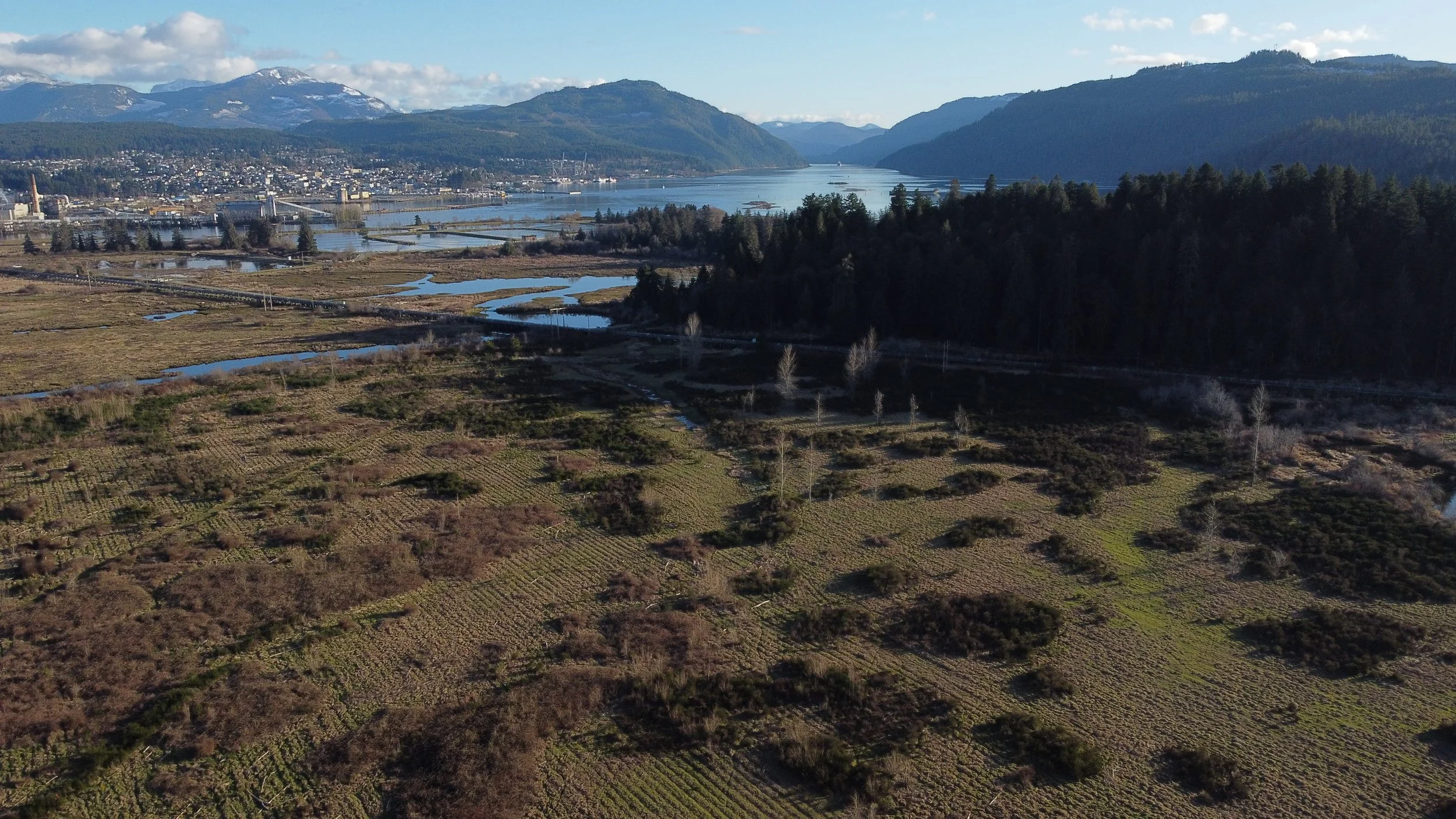
We provide funded reforestation services on eligible degraded land across Canada, including public land, private land, and First Nations Land. Our long-term 2 Billion Trees Contribution Agreement allows us to leverage federal support alongside private and philanthropic investment to support large-scale forest restoration initiatives.
Building the Restoration & Carbon Economy
We help communities build long-term economic resilience through forest-based climate solutions.
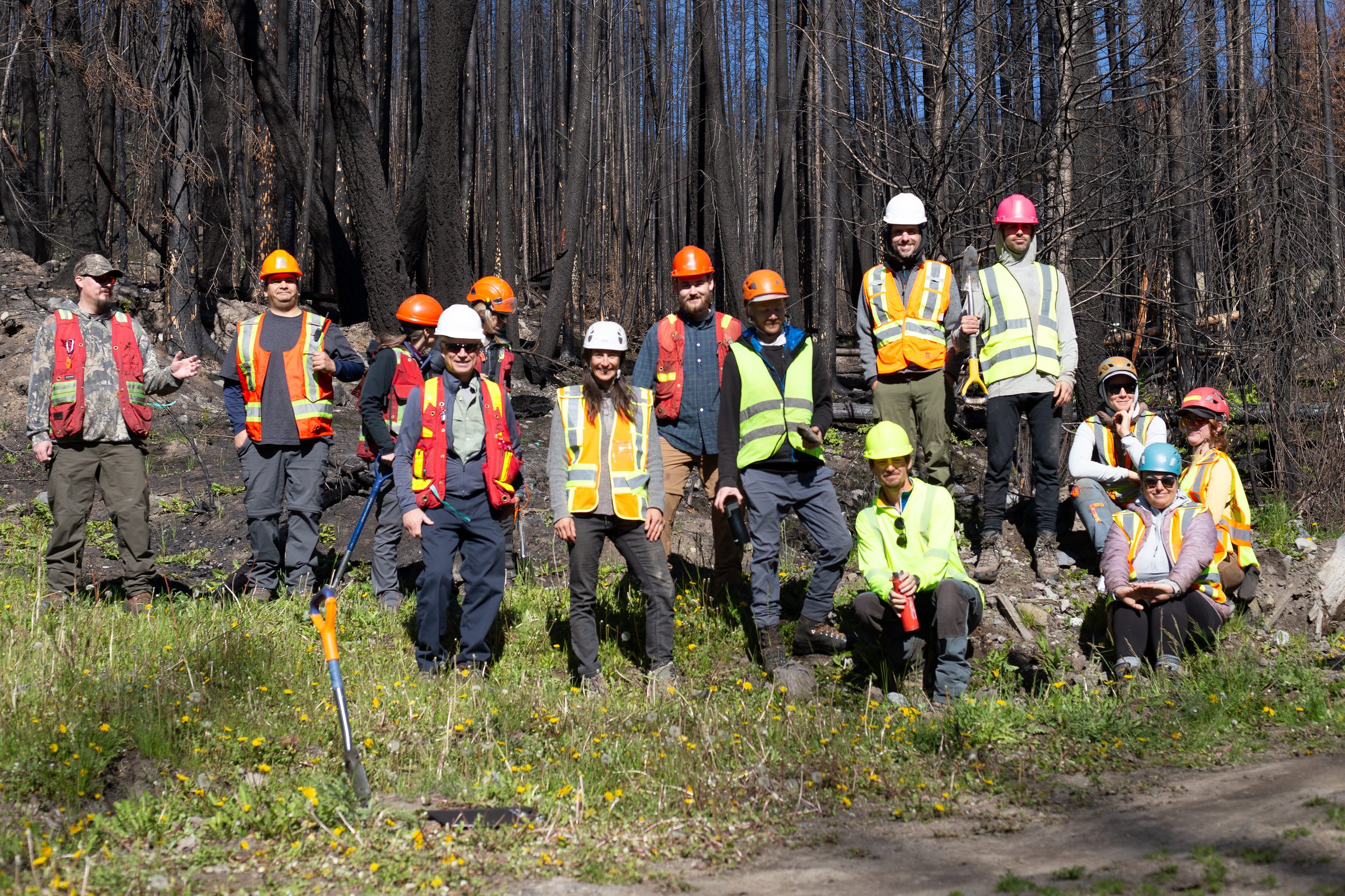
We support projects led by First Nations, NGOs, landowners and community partners, helping them access funding and implement high-impact projects on the ground.
Our team helps to identify eligible disturbed and wildfire-affected lands for reforestation projects. We’ll coordinate appropriate funding, partners and restoration approaches that is relevant to each project.
Working in partnership with First Nations communities, we align restoration projects with Indigenous-focused funding streams and ensure local knowledge and cultural values guide design and implementation.
Using methods grounded in current science and best management practices, we reforest wild-fire impacted landscapes, wildlife habitat, stabilize soils and establish forests that remain resilient under future climate conditions.
To support long-term wildfire risk reduction, we apply ecologically appropriate species, including deciduous trees where appropriate, and use ecologically sound restoration planning. We plan mixed forests, deciduous transitions or non-forested recovery depending on which combinations best support ecological function and post-fire stability.
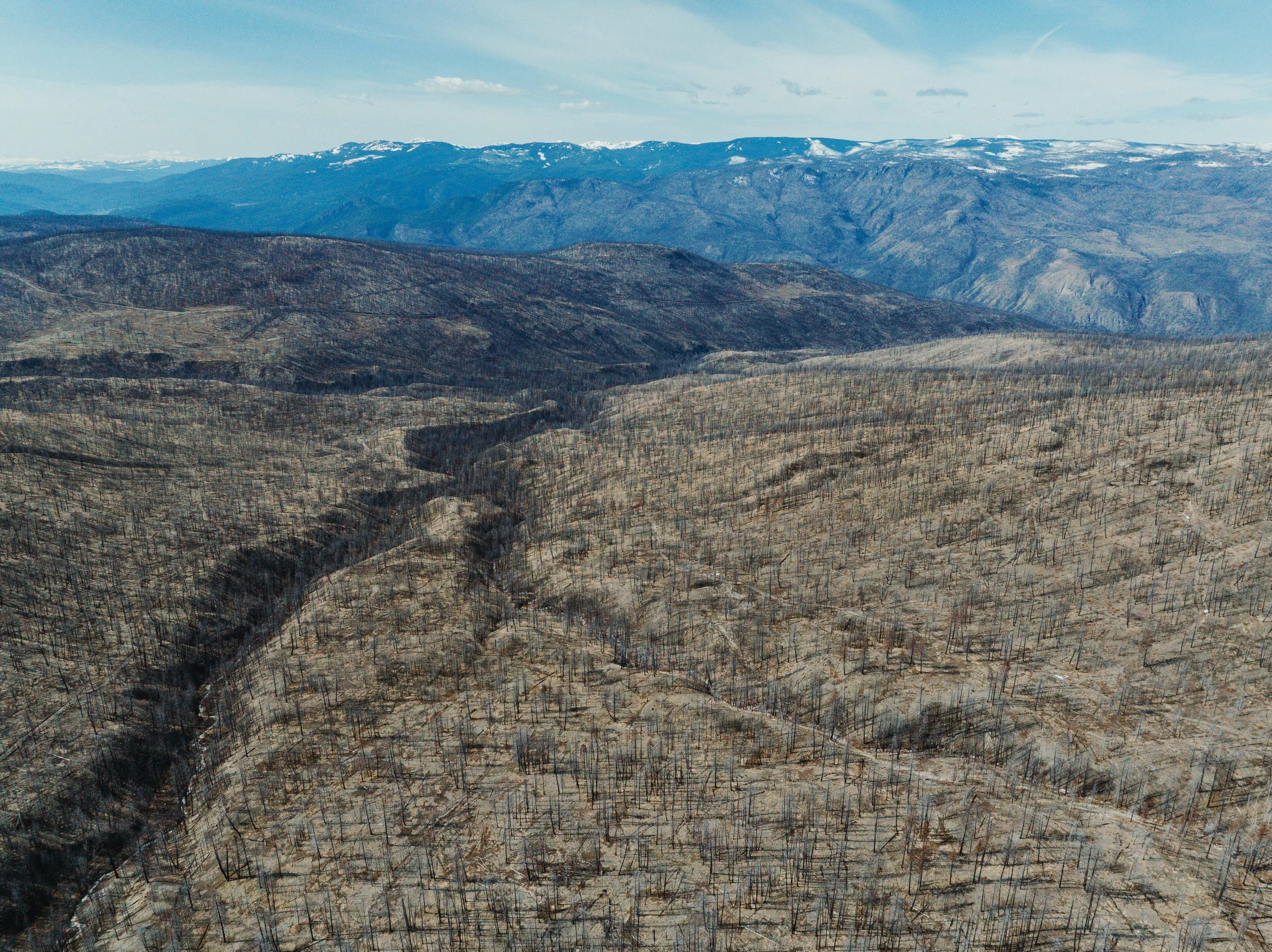
Wildfires are wiping out forests, and fast.
Current efforts between combined organizations are planting roughly 200-280 million trees per year in British Columbia - but it’s not enough.

4.65 million hectares burned since 2023
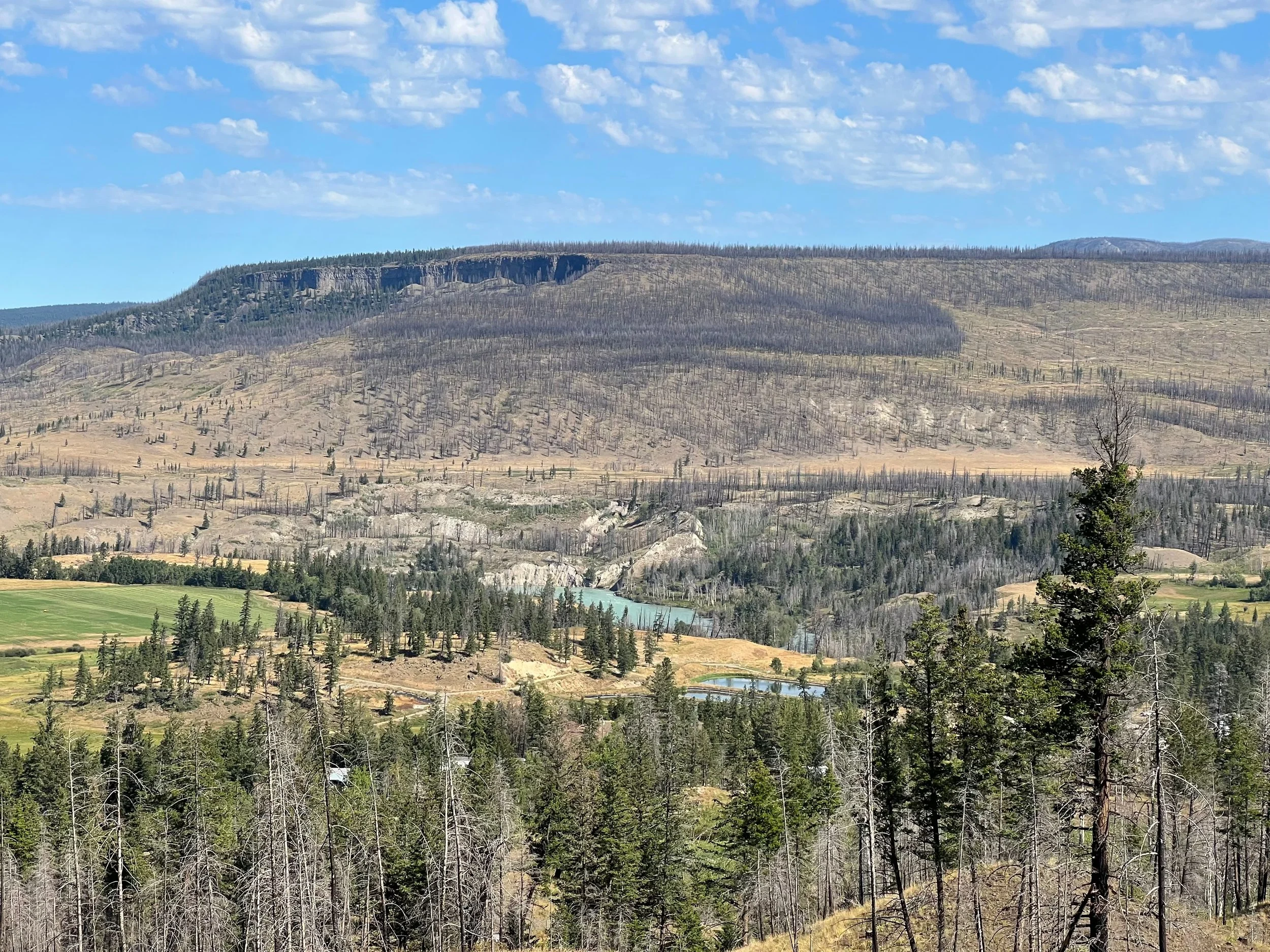
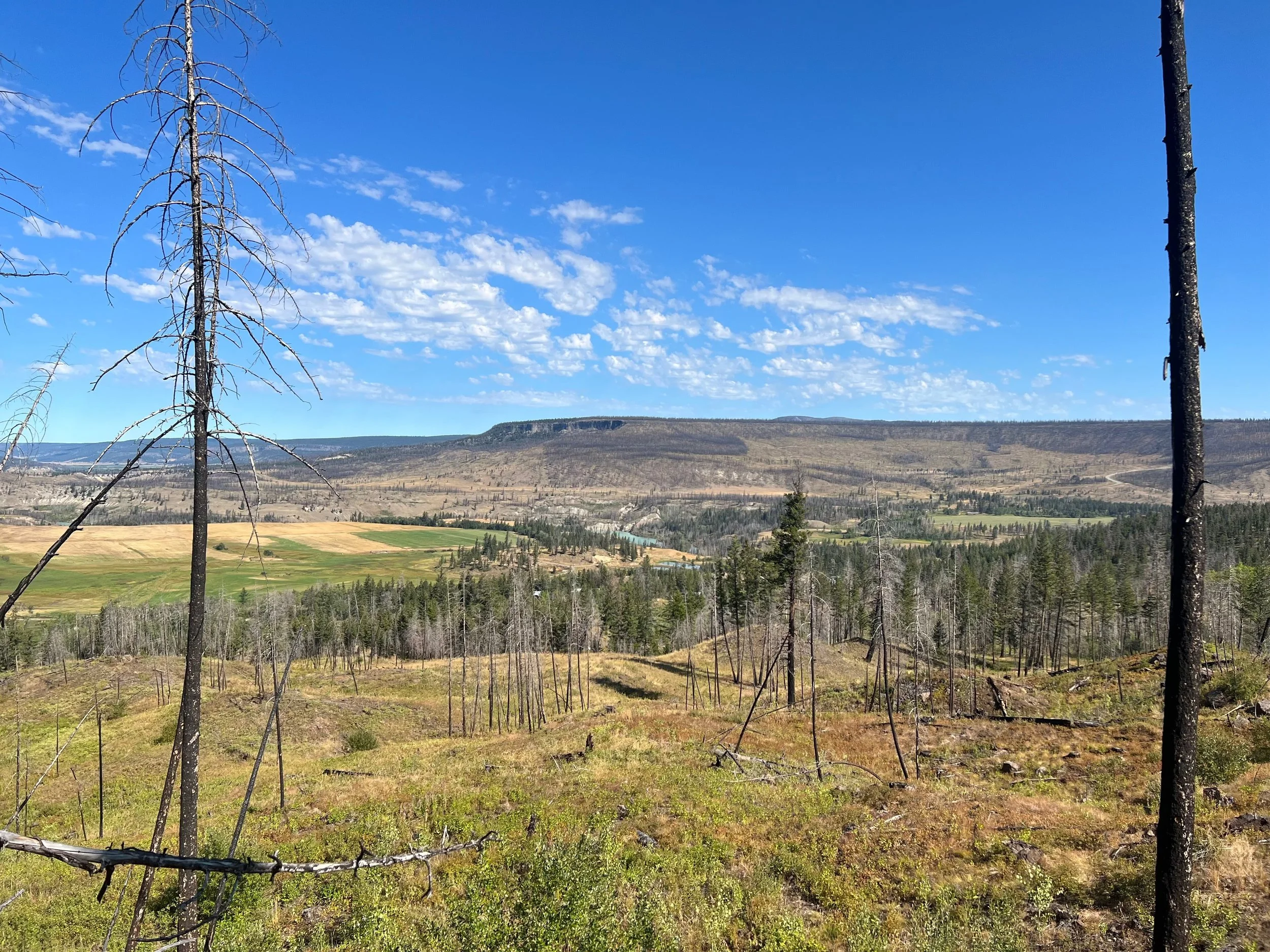
Since 2023, approx. 4.65 million hectares of forest burned. A record 2.8 million hectares of forest burned in 2023, and in 2025, another devastating 885,000 hectares of forest were lost to fire.

Only 1% reforested
Only 1–10% of wildfire-affected land in BC is actively reforested. Most burned landscapes are left to recover on their own, despite increasing evidence that high-severity fires are outpacing natural regeneration.
Sources: BC Ministry of Forests, BC Wildfire Service
Featured Projects
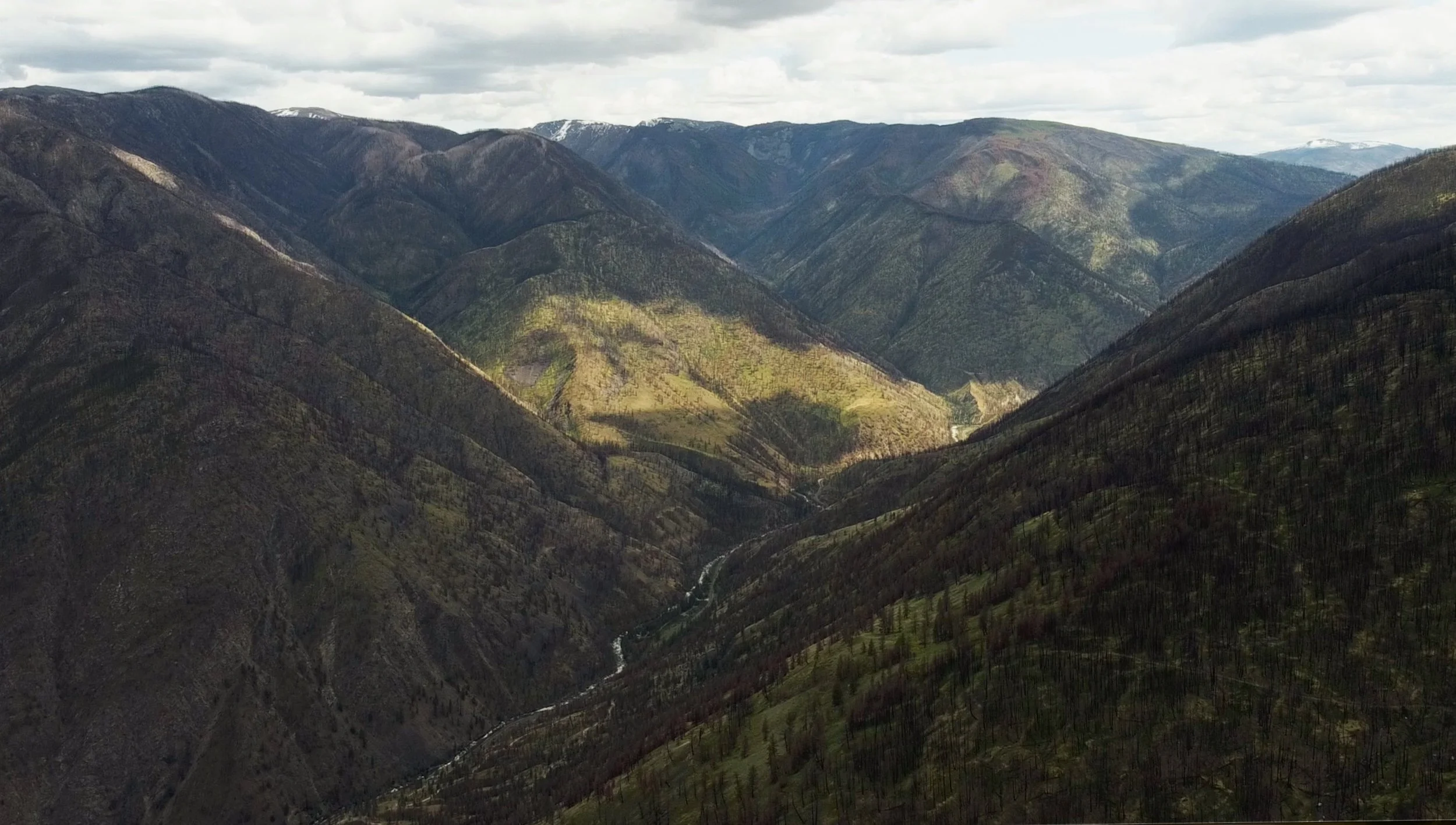
nʔaysnúlaʔxw snxaʔcnitkw Ashnola Watershed Wildfire Restoration
In Progress
Nicola Watershed Wildfire Restoration
In Progress